Solo travel is often presented as a perfect escape filled with freedom, beautiful destinations, and complete independence. Social media has made solo adventures look exciting and effortless, showing peaceful beaches, mountain cafés, and smiling travelers enjoying life alone. But behind these attractive pictures lies the true solo travel loneliness reality that many people do not talk about openly.
Traveling alone can be powerful and life-changing, but it also comes with emotional challenges. Long train rides without conversation, eating meals alone, and returning to an empty hotel room can feel heavy. This part of the journey shapes the real travel experience, and understanding it helps travelers prepare mentally, not just physically.
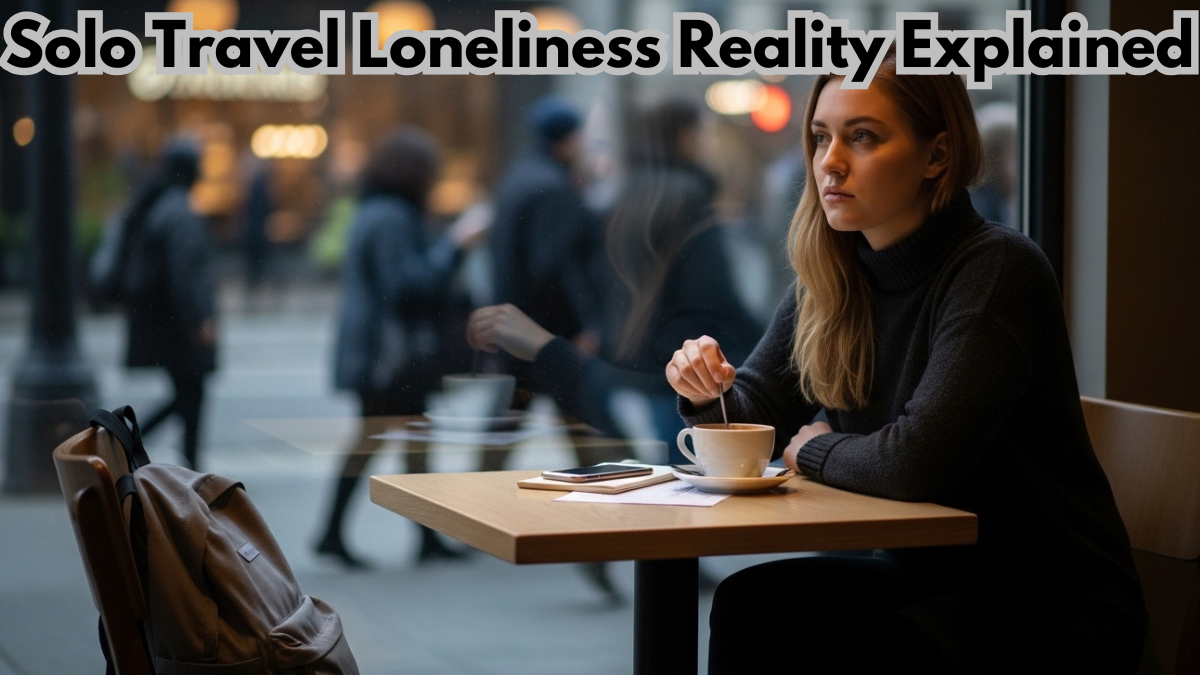
Why Solo Travel Feels Emotionally Different
The biggest reason people notice the solo travel loneliness reality is because travel removes familiar emotional support systems. At home, people are surrounded by routines, family, friends, and daily comfort. During solo travel, all of that disappears, and silence becomes much louder.
This is where emotional travel becomes important. Travel is not just about moving from one place to another—it is also about emotional reactions, self-reflection, and personal growth. Some days feel exciting and empowering, while others feel lonely and emotionally draining. Both are normal parts of the journey.
For many travelers, the first few days feel exciting because everything is new. But after that, emotional fatigue can begin. Missing home, feeling disconnected, or struggling to share experiences with someone can affect the full travel experience. This is why understanding emotional challenges is essential before planning solo trips.
Common Reasons Behind Solo Travel Loneliness
One of the main causes of the solo travel loneliness reality is unrealistic expectations. Many people believe solo travel should feel magical every single day. When normal emotions like boredom, sadness, or tiredness appear, they feel disappointed and confused.
Language barriers also create isolation. Even in crowded cities, travelers may feel alone if they cannot communicate easily with locals. This affects both confidence and comfort, especially during long trips. It becomes a major part of emotional travel because people want connection, not just sightseeing.
Another reason is social comparison. Seeing groups of friends or couples enjoying vacations together can make solo travelers feel left out. This emotional reaction is common and does not mean the trip is unsuccessful. It simply shows the real side of the solo travel loneliness reality.
Decision fatigue also matters. When one person handles every booking, route, meal choice, and safety concern alone, mental exhaustion builds quickly. Even positive freedom can become stressful without balance.
Signs That Emotional Travel Is Becoming Too Heavy
There is a difference between healthy solitude and unhealthy loneliness. If a traveler starts losing motivation, avoiding activities, or feeling constantly exhausted, it may be a sign that the emotional side of travel needs attention. This changes the overall travel experience and makes the journey less enjoyable.
Another warning sign is spending too much time on the phone. Many solo travelers scroll social media just to avoid silence. Instead of enjoying the destination, they compare themselves to others. This weakens the purpose of emotional travel and increases emotional stress.
Strong homesickness, irritability, and anxiety are also common signs. Some travelers feel guilty for not enjoying every moment, especially after spending money and planning the trip for months. But the truth is that the solo travel loneliness reality includes difficult emotions, and accepting them is healthier than hiding them.
Recognizing these signs early helps travelers make small adjustments before loneliness becomes overwhelming.
Table: Positive Solitude vs Harmful Loneliness During Solo Travel
| Positive Solitude | Harmful Loneliness |
|---|---|
| Enjoying peaceful alone time | Feeling emotionally disconnected |
| Freedom to choose personal plans | Constant sadness and isolation |
| Self-reflection and personal growth | Losing motivation to explore |
| Building confidence and independence | Strong homesickness and anxiety |
| Enjoying quiet travel moments | Feeling unsupported and overwhelmed |
| Healthy personal space | Emotional exhaustion and burnout |
This table helps explain that the solo travel loneliness reality is not always negative. Sometimes being alone creates healing and confidence, while other times it signals emotional overload that needs attention.
How to Handle Loneliness While Traveling Alone
The best way to manage loneliness is to accept that it is normal. Many people think feeling lonely means solo travel is not for them, but that is not true. It is simply a natural part of the travel experience. Acceptance reduces guilt and helps people enjoy the journey more honestly.
Creating small routines can help a lot. Visiting the same café every morning, journaling at night, or taking evening walks adds emotional stability. These habits improve emotional travel because they create comfort in unfamiliar places.
Joining walking tours, hostel events, or local workshops is another helpful strategy. Small conversations with strangers can create meaningful connection, even if temporary. These moments make the solo travel loneliness reality feel lighter and less overwhelming.
Staying connected with home is also useful, but balance matters. Calling family or friends can provide support, but depending too much on home can prevent personal growth. Solo travel works best when independence and connection exist together.
Travelers should also remember that not every day must feel exciting. Some days are slow, quiet, and emotionally heavy. That does not mean the trip is failing—it means the journey is real.
Conclusion
The truth about solo travel loneliness reality is that solo travel is both beautiful and challenging. It offers freedom, confidence, and powerful self-discovery, but it also brings silence, emotional distance, and unexpected loneliness.
A meaningful travel experience includes both adventure and vulnerability. Ignoring the emotional side creates unrealistic expectations. Understanding emotional travel helps people prepare for the full journey, not just the destination.
Loneliness during solo travel does not mean failure. In many cases, it becomes the moment where true personal growth begins. Learning how to sit with yourself, handle discomfort, and find peace alone can be one of the strongest life lessons.
When travelers understand the real solo travel loneliness reality, they stop chasing perfection and start enjoying authenticity. That is where the real beauty of solo travel begins.
FAQs
Is loneliness normal during solo travel?
Yes, loneliness is a very common part of the solo travel loneliness reality. Many independent travelers experience emotional ups and downs during their journey.
Can solo travel improve travel experience?
Yes, solo travel often improves the travel experience by building confidence, independence, and self-awareness, even if loneliness appears sometimes.
What does emotional travel mean?
Emotional travel refers to the feelings and mental experiences during travel, such as excitement, loneliness, homesickness, reflection, and personal growth.
How can I reduce loneliness during solo travel?
You can reduce loneliness by joining group activities, creating daily routines, talking to locals, and accepting that some emotional discomfort is normal.
Is solo travel worth it despite loneliness?
Yes, for many people, solo travel is worth it because the personal growth, freedom, and self-discovery often make the emotional challenges meaningful.
Click here to learn more