Life in the world’s hottest regions is far more challenging than most people can imagine. The hottest places on Earth living conditions involve extreme temperatures, limited water supplies, intense sunlight, and difficult environmental conditions that test human endurance every single day. Despite these harsh realities, millions of people continue living, working, and raising families in some of the hottest deserts and dry regions on the planet.
From the Sahara Desert in Africa to Death Valley in the United States, communities have developed remarkable ways to adapt to extreme climate life. Over centuries, people living in these environments created survival techniques, architectural designs, clothing traditions, and water management systems that allow them to withstand dangerous heat. Studying these communities offers fascinating insights into human resilience, cultural adaptation, and the science behind successful desert survival in some of Earth’s most unforgiving landscapes.
Understanding the Hottest Places on Earth
Several regions around the globe are famous for recording dangerously high temperatures. The hottest places on Earth living conditions are shaped by geography, dry air, low rainfall, and intense solar exposure. In many desert regions, daytime temperatures regularly exceed 45°C (113°F), making normal daily activities extremely difficult.
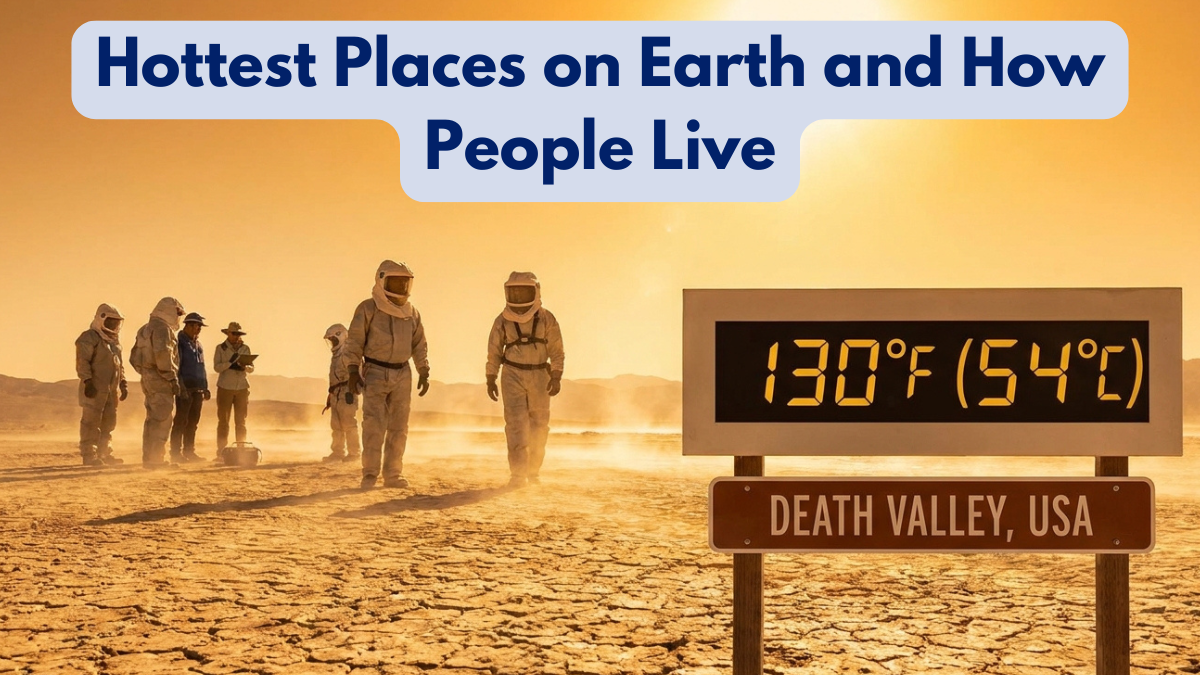
Death Valley in California is widely recognized as one of the hottest places ever recorded, with temperatures reaching over 56°C (134°F). Similarly, parts of the Sahara Desert, Iran’s Lut Desert, and Kuwait experience severe heat waves every year. These regions represent some of the toughest examples of extreme climate life because survival depends heavily on careful planning and environmental adaptation.
People living in these regions often structure daily life around the heat. Outdoor activities are usually limited during midday hours when temperatures become most dangerous. Instead, many communities work early in the morning or after sunset to reduce heat exposure. These strategies have become essential for successful desert survival in extremely hot climates.
How People Adapt to Extreme Climate Life
Communities living in harsh desert environments have developed highly effective adaptation methods over generations. The hottest places on Earth living conditions require constant attention to hydration, shelter, clothing, and energy conservation.
Traditional homes in many desert regions are built using thick walls made from mud, clay, or stone. These materials help keep indoor temperatures cooler during the day and warmer at night. Narrow streets and shaded courtyards also reduce direct sunlight exposure in many ancient desert cities.
Some important survival methods used in extreme climate life include:
- Wearing loose, light-colored clothing
- Storing water carefully
- Avoiding outdoor work during peak heat
- Building homes with natural cooling designs
- Using underground water systems
- Consuming water-rich foods
In many areas, traditional knowledge about desert survival has been passed down through generations. Nomadic groups such as the Tuareg people in the Sahara developed advanced navigation skills, water conservation techniques, and protective clothing designed specifically for desert environments.
Modern technology has also improved living conditions in hot climates through air conditioning, solar energy systems, and advanced irrigation methods. However, traditional practices still remain extremely valuable in many remote desert communities.
Table of Hottest Places on Earth and Their Living Conditions
| Location | Country | Average Summer Temperature | Key Survival Adaptations |
|---|---|---|---|
| Death Valley | USA | 47°C+ | Air conditioning and limited outdoor activity |
| Sahara Desert | Multiple Countries | 40°C+ | Nomadic lifestyle and protective clothing |
| Lut Desert | Iran | 50°C+ | Underground shelters and water storage |
| Kuwait City | Kuwait | 45°C+ | Modern cooling systems |
| Dallol | Ethiopia | 41°C+ | Salt trade adaptation and hydration practices |
| Thar Desert | India/Pakistan | 45°C+ | Traditional architecture and water conservation |
These examples show how the hottest places on Earth living conditions vary depending on culture, technology, and geography. Despite severe environments, people continue finding innovative ways to survive and thrive.
Challenges of Desert Survival
Living in extremely hot regions creates serious physical and environmental challenges. The hottest places on Earth living conditions often involve water scarcity, health risks, and economic difficulties. Heat exhaustion, dehydration, and heatstroke are constant dangers for people exposed to high temperatures for extended periods.
Water access is one of the biggest concerns in extreme climate life. Many desert communities rely on underground wells, seasonal rainfall, or long-distance water transportation systems. In some regions, climate change has made water shortages even worse, increasing pressure on already fragile ecosystems.
Agriculture in hot climates also presents major difficulties. Farmers must use specialized irrigation systems and drought-resistant crops to maintain food production. Successful desert survival often depends on carefully managing natural resources and adapting farming techniques to extreme conditions.
Another challenge involves infrastructure. Roads, buildings, and electrical systems can suffer damage from prolonged heat exposure. High temperatures increase energy demand because cooling systems operate continuously during hot seasons.
Despite these obstacles, many desert communities maintain strong cultural traditions and sustainable lifestyles developed specifically for surviving harsh climates.
The Role of Technology in Extreme Climate Life
Modern technology has significantly improved the hottest places on Earth living conditions in recent decades. Air conditioning, desalination plants, solar power systems, and advanced construction materials now help millions of people live more comfortably in hot environments.
Countries in the Middle East have become global leaders in adapting to extreme climate life through innovative urban planning and cooling technologies. Many modern buildings use reflective materials, shaded walkways, and energy-efficient systems designed to reduce heat exposure.
Important technologies supporting desert survival include:
- Solar-powered cooling systems
- Water desalination plants
- Heat-resistant building materials
- Smart irrigation systems
- Underground transportation networks
- Advanced weather forecasting
However, experts warn that climate change may increase temperatures further in many already-hot regions. This could make some areas more difficult to inhabit in the future, especially for communities lacking access to advanced infrastructure and cooling technologies.
As temperatures continue rising globally, lessons learned from desert communities may become increasingly important for adapting to changing environmental conditions worldwide.
Cultural Life in the World’s Hottest Regions
Despite harsh environments, many cultures have flourished within the hottest places on Earth living conditions for centuries. Desert communities often develop strong social bonds, hospitality traditions, and unique lifestyles centered around cooperation and survival.
Music, storytelling, food, clothing, and architecture in these regions are deeply connected to extreme climate life. Traditional clothing styles are often designed to provide maximum ventilation and sun protection. Local diets frequently include foods that help maintain hydration and energy levels in hot weather.
Festivals and social activities are also adjusted for desert survival. In many regions, gatherings take place during cooler evening hours rather than during intense daytime heat. Communities often prioritize water conservation and resource sharing as important cultural values.
The ability of these societies to adapt successfully over long periods demonstrates remarkable human resilience. Their experiences provide valuable lessons for understanding sustainability, climate adaptation, and environmental balance.
Conclusion
The hottest places on Earth living conditions reveal the incredible adaptability of human beings in some of the planet’s harshest environments. Through traditional knowledge, cultural practices, and modern technology, people continue surviving and thriving despite extreme heat, water shortages, and difficult environmental conditions.
Studying extreme climate life helps researchers understand how communities respond to environmental challenges while offering important insights into future climate adaptation strategies. The remarkable techniques developed for desert survival demonstrate that human innovation and resilience can overcome even the most extreme natural conditions on Earth.
FAQ
What are the hottest places on Earth?
Some of the hottest places include Death Valley in the USA, the Sahara Desert, Iran’s Lut Desert, and parts of Kuwait and Ethiopia.
How do people survive in extreme climate life?
People adapt through specialized clothing, water conservation, heat-resistant homes, and avoiding outdoor activities during peak temperatures.
Why is desert survival difficult?
Desert survival is challenging because of extreme heat, limited water, harsh sunlight, and difficult farming conditions.
What technologies help in the hottest places on Earth living conditions?
Air conditioning, desalination plants, solar energy systems, and smart irrigation technologies improve survival in hot climates.
How does climate change affect desert regions?
Climate change may increase temperatures, worsen droughts, and create more pressure on water supplies in already hot regions.
Click here to learn more