The emergence of virtual influencers is transforming how brands connect with audiences in the digital age. Unlike human influencers, virtual influencers are computer-generated personalities designed using advanced graphics, artificial intelligence, and storytelling. These digital personas are gaining massive followings across platforms, reshaping social media marketing strategies worldwide. As audiences become more accustomed to digital-first experiences, virtual influencers are redefining authenticity, creativity, and engagement within evolving branding trends.
Brands are increasingly adopting virtual influencers to maintain consistency, control, and scalability in campaigns. Unlike human creators, digital personas are immune to controversies, scheduling conflicts, and physical limitations. Powered by AI influencers technology, these characters can be customized to reflect brand values, aesthetics, and messaging with precision. This control makes virtual influencers highly attractive in competitive social media marketing environments where brand image is critical.
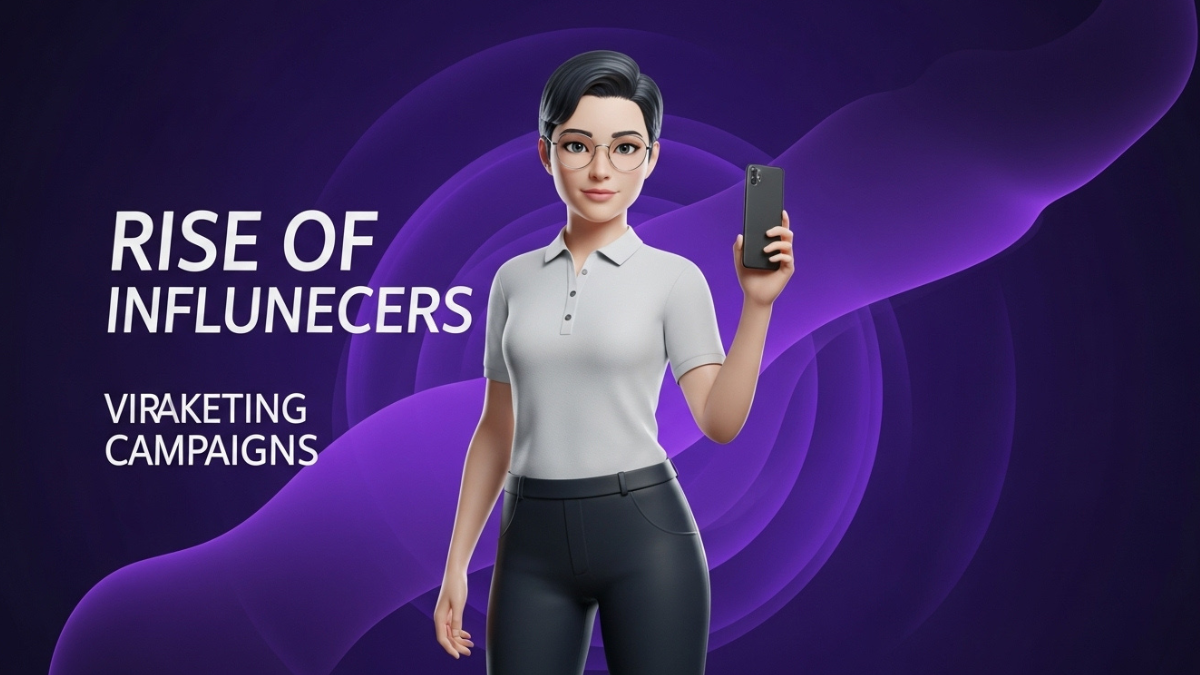
Role of AI Influencers in Digital Campaigns
AI influencers form the technological foundation of virtual influencers, enabling dynamic interaction and content personalization. Through machine learning and data analysis, AI influencers adapt their tone, style, and messaging based on audience behavior. This adaptability enhances engagement and relevance, key factors in modern social media marketing.
By using AI influencers, brands can simulate real-time interaction with followers, responding to trends and comments instantly. This responsiveness strengthens audience relationships while maintaining brand consistency. As branding trends evolve toward personalization and immersive experiences, AI influencers position virtual influencers as powerful tools for scalable digital storytelling.
Impact on Social Media Marketing Strategies
The integration of virtual influencers has significantly influenced social media marketing strategies. Traditional influencer campaigns often rely on individual personalities, which can be unpredictable. In contrast, virtual influencers offer reliability and creative freedom, allowing brands to experiment with narratives, visuals, and cross-platform campaigns.
In social media marketing, engagement metrics drive success. Virtual influencers consistently deliver high engagement through visually striking content and innovative storytelling. Brands can deploy these digital personas across multiple platforms simultaneously, maximizing reach and efficiency. This scalability aligns with modern branding trends, where consistency and omnichannel presence are essential.
Virtual Influencers and Emerging Branding Trends
Current branding trends emphasize storytelling, identity, and emotional connection. Virtual influencers excel in these areas by embodying aspirational lifestyles and values curated specifically for target audiences. Their fictional nature allows brands to craft narratives that resonate deeply without real-world constraints.
As branding trends shift toward immersive and interactive experiences, virtual influencers offer limitless creative potential. From virtual fashion shows to metaverse events, these characters extend brand presence beyond traditional platforms. Supported by AI influencers technology, virtual influencers represent a new frontier in brand expression and digital identity.
Business Advantages and Market Adoption
The business appeal of virtual influencers lies in cost efficiency, scalability, and control. While initial development requires investment, long-term costs are often lower than recurring human influencer partnerships. Additionally, virtual influencers can be reused, adapted, and scaled globally, supporting sustained social media marketing efforts.
Below is a table comparing traditional influencers and virtual influencers:
| Aspect | Human Influencers | Virtual Influencers |
|---|---|---|
| Availability | Limited | 24/7 global presence |
| Brand Control | Partial | Full creative control |
| Risk of Controversy | High | Minimal |
| Scalability | Limited | Highly scalable |
| Alignment with Branding Trends | Variable | Strong and adaptable |
This comparison highlights why virtual influencers are rapidly gaining traction across industries.
Future Outlook of Virtual Influencers
The future of virtual influencers is closely tied to advancements in AI influencers technology and immersive digital environments. As augmented reality, virtual reality, and the metaverse expand, these digital personas will play increasingly prominent roles. Social media marketing will continue to evolve toward interactive, AI-driven experiences where virtual influencers act as brand ambassadors, storytellers, and community builders.
As audiences become more comfortable engaging with digital identities, branding trends will further normalize virtual representation. This shift positions virtual influencers not as novelties but as integral components of future marketing ecosystems.
Conclusion
The rise of virtual influencers marks a significant evolution in digital marketing. By leveraging AI influencers, transforming social media marketing, and aligning with emerging branding trends, brands are unlocking new ways to engage audiences creatively and consistently. As technology advances and digital experiences deepen, virtual influencers will remain at the forefront of innovative, scalable, and future-ready marketing strategies.
FAQs
What are virtual influencers?
Virtual influencers are computer-generated characters designed to engage audiences and promote brands on digital platforms.
How do AI influencers differ from human influencers?
AI influencers are powered by artificial intelligence, offering greater control, scalability, and consistency than human creators.
Why are virtual influencers popular in social media marketing?
They provide creative flexibility, lower risk, and strong alignment with modern social media marketing strategies.
Are virtual influencers part of current branding trends?
Yes, virtual influencers strongly reflect evolving branding trends focused on digital identity, storytelling, and innovation.
Click here to learn more