In recent years, many consumers have begun expressing a sense of overwhelm toward digital and service-based subscriptions. This growing frustration, often called subscription fatigue, reflects deeper shifts in modern life and emerging consumer trends that highlight changing expectations around value, convenience, and digital overload. What once felt like a flexible and affordable way to access entertainment, shopping perks, and software tools has now become a source of stress for many households. As the number of subscriptions continues to rise, people are rethinking which services genuinely improve their lives and which ones add unnecessary pressure.
The overload created by too many services
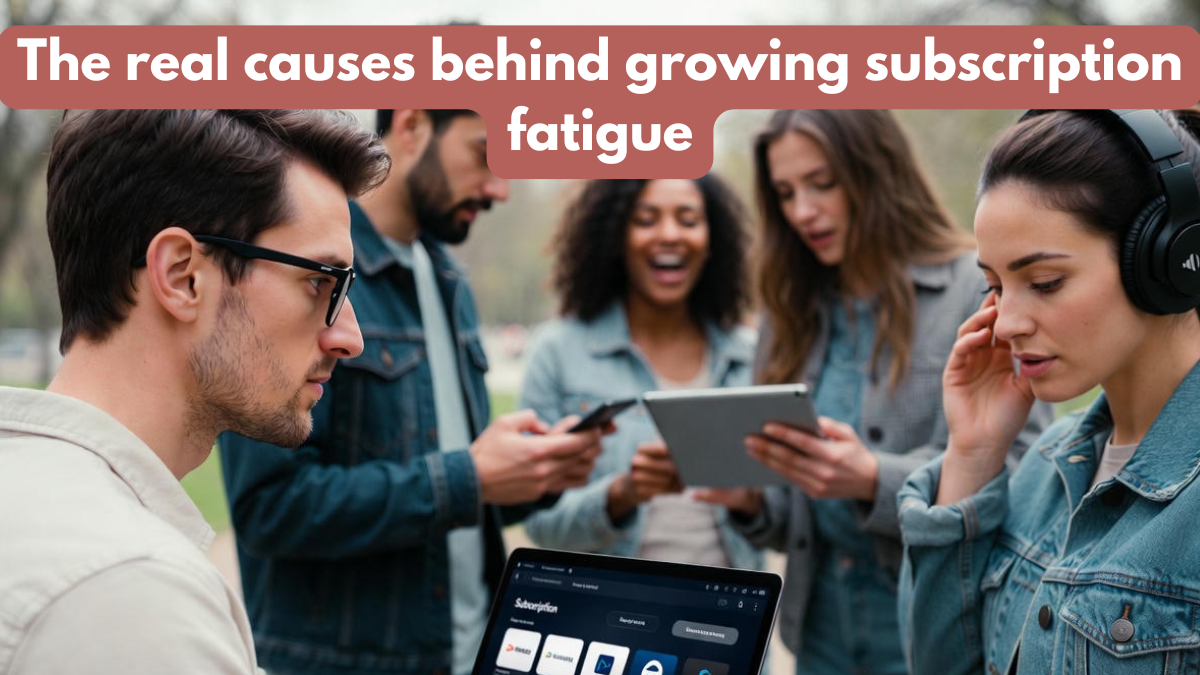
One of the core reasons behind subscription fatigue is the sheer volume of services available today. Streaming platforms, productivity tools, fitness apps, shopping subscriptions, and cloud storage services all compete for attention. As consumer trends reveal, individuals now manage far more recurring payments than ever before. What used to be a handful of necessary bills has turned into a long list of monthly auto-renewals. This overload creates cognitive strain as people struggle to remember what they signed up for, whether they still use it, and how much it truly costs. The mental burden of tracking all these subscriptions contributes heavily to fatigue.
Why modern consumers feel financially drained
Another major factor fueling subscription fatigue is the financial impact of recurring charges. While each subscription may seem inexpensive on its own, the cumulative cost adds up quickly. As consumer trends shift toward more conscious spending, people are becoming increasingly aware of hidden or forgotten subscriptions silently draining their budgets. In uncertain economic climates, this awareness becomes even sharper. Many consumers feel frustrated when they realize they are paying for overlapping services, underused apps, or trials that automatically converted into paid subscriptions without clear reminders. These frustrations create a sense of distrust, making people more selective moving forward.
Comparing subscription fatigue drivers across consumer groups
The table below highlights how different groups experience subscription fatigue differently based on lifestyle and evolving consumer trends:
| Consumer Group | Source of Subscription Fatigue | Key Behavioral Shift |
|---|---|---|
| Young Professionals | Too many digital tools for work and life | Reducing paid productivity apps |
| Families | Multiple entertainment and shopping subscriptions | Consolidating under shared services |
| Budget-Conscious Shoppers | Accumulated monthly fees | Canceling non-essential subscriptions |
| Tech Enthusiasts | Overlap in niche platforms | Prioritizing multifunctional tools |
| Older Adults | Complex digital management | Returning to simpler, fewer services |
Understanding these differences helps explain why subscription fatigue is becoming a universal experience but manifests uniquely across age and lifestyle groups.
The psychological impact of subscription fatigue
Beyond the financial and logistical challenges, subscription fatigue carries a psychological component that is rarely discussed. As consumer trends move faster, people feel pressured to keep up with new platforms, exclusive content, and premium upgrades. This creates an emotional cycle of fear of missing out, followed by guilt when they cannot fully use each service. The constant influx of renewal notices, promotional offers, and trial expirations adds to digital stress. Over time, consumers feel trapped in a digital ecosystem that demands attention but does not always deliver proportional value. These emotional responses are key contributors to fatigue.
Additionally, subscriptions reduce the feeling of ownership. Instead of purchasing a product once and using it freely, consumers now rent access indefinitely. This shift creates a sense of dependency and reduces satisfaction, reinforcing the emotional exhaustion tied to subscription-heavy lifestyles. As a result, many people crave simpler, more transparent systems that offer clearer value without ongoing mental and financial commitments.
How changing consumer trends will reshape subscriptions
Companies are beginning to recognize the importance of addressing subscription fatigue. Emerging consumer trends show a strong preference for flexible plans, transparent pricing, and meaningful value. Instead of pushing constant upgrades, brands are exploring hybrid models, pay-per-use options, and consolidation services that reduce complexity. Consumers now prefer subscriptions that integrate multiple benefits into one platform rather than spreading features across separate apps. Loyalty programs are also being redesigned to reward long-term users rather than constantly seeking new sign-ups.
This shift is also influencing product design. Businesses are rethinking how they deliver digital experiences, aiming to reduce friction and offer more control to the user. The trend toward “subscription detoxing”—where individuals routinely audit and cancel unnecessary services—signals a larger cultural change. People are seeking balance, clarity, and personalization. Companies that adapt to these expectations will maintain trust, while those that ignore the rise of subscription fatigue may struggle to retain customers in the long run.
Conclusion
The rise of subscription fatigue reflects deeper economic, psychological, and cultural shifts in the way people interact with digital services. As consumer trends evolve, individuals are prioritizing clarity, simplicity, and genuine value. With mounting financial pressure, digital overload, and emotional strain, many consumers are rethinking their subscription habits. Moving forward, businesses that respond with transparency, flexibility, and customer-centered solutions will thrive, while consumers continue to adjust their digital ecosystems to support healthier and more mindful living.
FAQs
What is subscription fatigue?
Subscription fatigue refers to the overwhelm people feel from managing too many recurring digital services and payments.
Why are consumers canceling more subscriptions now?
Rising costs, unused services, and shifting consumer trends make people more selective about which subscriptions truly add value.
How does subscription fatigue affect monthly spending?
Multiple small charges accumulate quickly, leading to budget strain and prompting consumers to reevaluate their commitments.
Can subscription fatigue impact mental well-being?
Yes, managing numerous renewals and apps can increase digital stress, contributing to overall emotional fatigue.
What can companies do to reduce subscription fatigue?
Businesses can offer transparent pricing, flexible plans, consolidated features, and user-friendly management tools that align with modern consumer trends.
Click here to learn more