Cities around the world are facing increasing exposure to natural and human-made disasters, from floods and earthquakes to heatwaves, wildfires, and industrial accidents. Rapid urbanization, climate volatility, and dense populations mean that even short delays in communication can lead to significant loss of life. In this high-risk environment, smart disaster alerts are becoming a critical layer of urban resilience. These systems move beyond sirens and broadcast messages to deliver timely, targeted information when it matters most.
Modern urban residents expect information instantly and on the devices they already use. Smart disaster alerts meet this expectation by delivering precise messages through mobile phones, connected signage, and digital platforms. By enabling faster early warning, cities can initiate protective actions sooner, improving city safety at scale. Powered by advanced emergency tech, these systems are transforming how authorities prepare for and respond to crises.
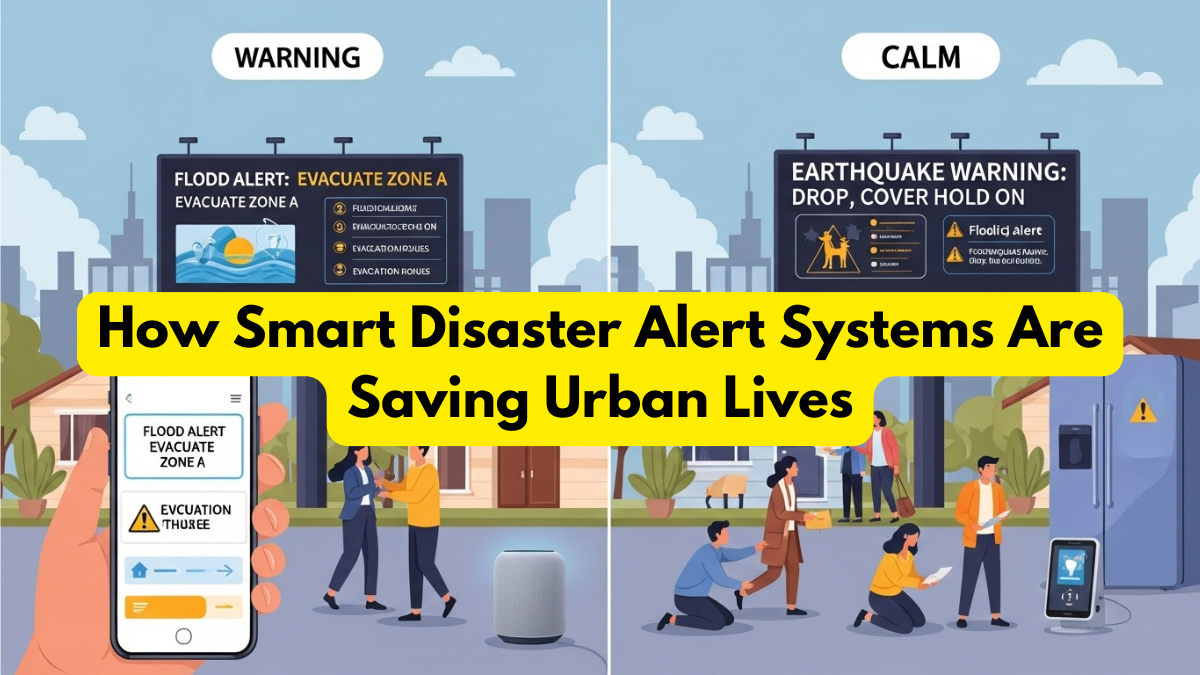
The Need for Faster and More Accurate Early Warning
Traditional emergency alert methods were designed for simpler environments with fewer data sources and slower communication channels. Citywide sirens or radio announcements often lack specificity and may not reach everyone in time. Smart disaster alerts address these limitations by using data-driven early warning mechanisms that detect threats and notify people based on location and risk level.
Sensors, satellites, and predictive models feed real-time information into alert systems. When thresholds are crossed, smart disaster alerts are triggered automatically, reducing reliance on manual intervention. This speed is crucial for hazards such as flash floods or earthquakes, where seconds can make a difference. By enhancing city safety through precision and timeliness, emergency tech enables cities to act before disasters escalate.
How Smart Disaster Alert Systems Work
Smart disaster alerts integrate multiple technologies into a unified response framework. Data from weather services, seismic sensors, traffic systems, and infrastructure monitoring tools is continuously analyzed. When anomalies indicate potential danger, alerts are generated and distributed across multiple channels.
These systems prioritize relevance. Residents receive early warning messages tailored to their location and situation, such as evacuation routes, shelter locations, or safety instructions. This targeted communication reduces confusion and panic. By leveraging emergency tech such as geofencing, AI analytics, and automated messaging, smart disaster alerts ensure that the right information reaches the right people at the right time, strengthening overall city safety.
Improving City Safety Through Real-Time Communication
Effective disaster response depends on clear and timely communication. Smart disaster alerts enhance city safety by keeping residents informed as situations evolve. Updates can be sent as conditions change, helping people make informed decisions rather than relying on outdated information.
Authorities also benefit from two-way communication features. Residents can report hazards, request assistance, or confirm safety, providing valuable situational awareness. This feedback loop improves coordination and resource allocation during emergencies. By combining early warning with real-time updates, smart disaster alerts create a more adaptive and responsive safety infrastructure powered by emergency tech.
The table below compares traditional alert systems with smart disaster alerts:
| Aspect | Traditional Alert Systems | Smart Disaster Alerts |
|---|---|---|
| Speed of early warning | Delayed | Near real-time |
| Message targeting | Broad and generic | Location-specific |
| Use of emergency tech | Limited | Advanced and integrated |
| City safety impact | Moderate | High and measurable |
| Ability to update alerts | Minimal | Continuous and dynamic |
This comparison highlights why cities are rapidly upgrading to smarter alert systems.
Integration With Urban Emergency Tech Ecosystems
Smart disaster alerts do not operate in isolation. They are most effective when integrated into broader emergency tech ecosystems that include emergency services, transportation systems, and healthcare providers. For example, alerts can automatically adjust traffic signals to support evacuation or notify hospitals to prepare for incoming patients.
This integration enhances city safety by aligning multiple response mechanisms around a single source of truth. Data sharing between agencies ensures consistency and reduces delays. As early warning systems become more sophisticated, integration will deepen, enabling coordinated responses that save lives and reduce damage.
Building Public Trust and Preparedness
Technology alone is not enough to ensure effective disaster response. Public trust and preparedness play a crucial role. Smart disaster alerts contribute to trust by delivering accurate, actionable information consistently. When residents receive reliable early warning messages, they are more likely to follow guidance during emergencies.
Education and drills further enhance effectiveness. Cities that pair smart disaster alerts with public awareness campaigns improve response outcomes. Familiarity with alert formats and instructions reduces confusion under stress. Over time, this combination of technology and preparedness strengthens city safety and maximizes the value of emergency tech investments.
Challenges and Ethical Considerations
Implementing smart disaster alerts requires careful consideration of privacy, accessibility, and equity. Location-based alerts must protect personal data while remaining effective. Systems should also accommodate diverse populations, including those without smartphones or with disabilities.
Reliability is another critical factor. False alarms can erode trust, while system failures can have serious consequences. Robust testing, redundancy, and transparent governance are essential. When designed responsibly, smart disaster alerts enhance early warning without compromising rights, ensuring that city safety remains the primary focus of emergency tech deployment.
Conclusion
The growing adoption of smart disaster alerts reflects a fundamental shift in how cities protect their residents. By delivering precise early warning, strengthening city safety, and leveraging advanced emergency tech, these systems save lives and reduce the impact of disasters. As urban risks continue to evolve, smart alert systems will remain a cornerstone of resilient city planning. Investing in smart disaster alerts is not just a technological upgrade but a commitment to proactive, people-centered safety in an uncertain world.
FAQs
What are smart disaster alerts?
Smart disaster alerts are digital systems that provide timely, targeted warnings and instructions during emergencies.
How do smart disaster alerts improve early warning?
They use real-time data and automation to detect threats quickly and notify people before conditions worsen.
Do smart disaster alerts improve city safety?
Yes, they enhance city safety by enabling faster responses, better coordination, and informed decision-making.
What role does emergency tech play in disaster alerts?
Emergency tech powers data collection, analysis, and communication that make smart alerts accurate and effective.
Can smart disaster alerts reach people without smartphones?
Many systems use multiple channels, including SMS, sirens, digital signage, and broadcast media, to reach wider audiences.
Click here to learn more