The rapid pace of smartphone innovation has brought convenience, connectivity, and productivity to billions of people worldwide. However, this progress has also created a growing environmental problem. Devices are replaced frequently due to minor faults, battery degradation, or planned obsolescence, contributing to massive amounts of electronic waste. As awareness of sustainability increases, consumers and manufacturers alike are questioning whether smartphones need to be disposable. This shift in mindset has opened the door for new design philosophies that prioritize longevity and responsibility. Within this context, modular smartphones are emerging as a compelling alternative that supports eco electronics while encouraging the adoption of repairable phones.
Understanding Modular Smartphones and Their Design
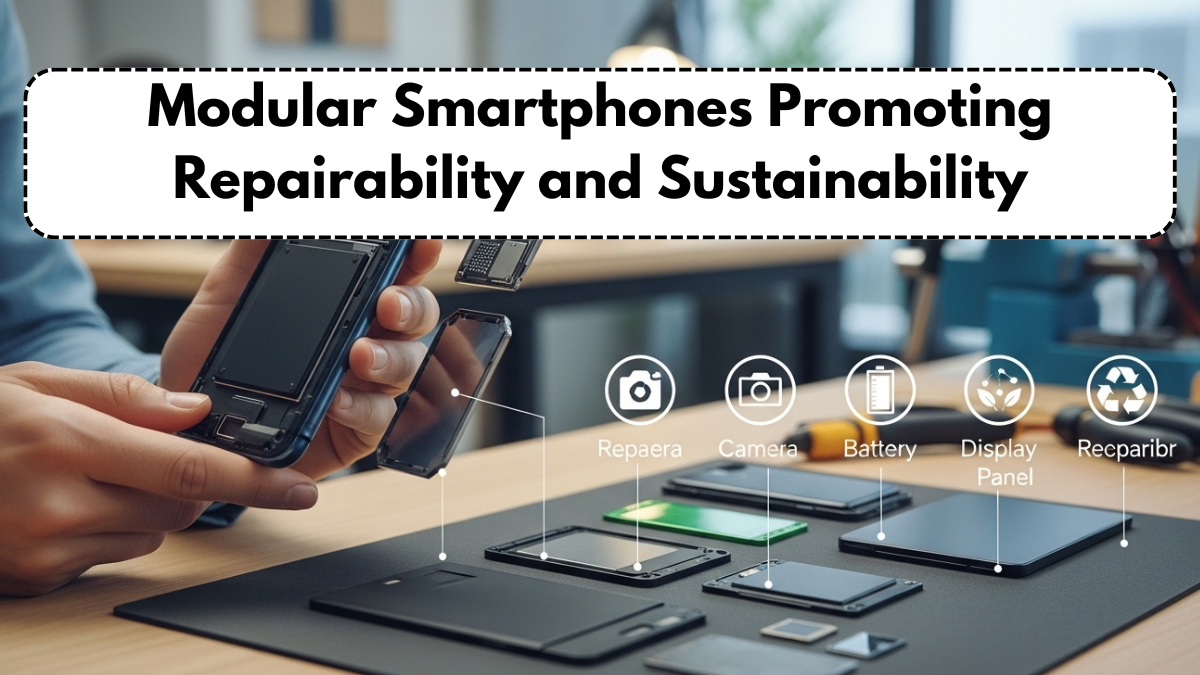
Modular smartphones are designed with interchangeable components that can be easily removed, replaced, or upgraded. Instead of sealing batteries, cameras, or screens inside tightly glued enclosures, these devices use standardized modules that users can swap without specialized tools. This approach fundamentally changes how smartphones are maintained and upgraded. Rather than replacing an entire device due to a single failure, users can repair or enhance specific components.
By enabling repairable phones, modular smartphones extend product lifespan and reduce unnecessary waste. This design philosophy aligns closely with the principles of eco electronics, which emphasize resource efficiency, recyclability, and reduced environmental impact. As consumers seek more sustainable technology choices, modular designs offer a practical solution without sacrificing functionality.
Repairable Phones and Consumer Empowerment
The concept of repairable phones represents a shift in control from manufacturers to users. Traditional smartphones often discourage repairs through proprietary parts and restrictive warranties. In contrast, modular smartphones empower users to take ownership of device maintenance. Components such as batteries, displays, and cameras can be replaced at home, reducing reliance on authorized service centers.
This accessibility offers several benefits:
- Lower repair costs over the device lifecycle
- Reduced downtime caused by repairs
- Increased understanding of device functionality
- Greater user satisfaction and trust
By supporting repairable phones, modular smartphones challenge disposable consumption habits and encourage responsible ownership within the eco electronics movement.
Role of Eco Electronics in Sustainable Technology
Eco electronics focuses on minimizing the environmental footprint of electronic devices from production to disposal. This includes reducing raw material extraction, lowering energy consumption, and extending product life. Modular smartphones fit naturally into this framework by addressing one of the biggest contributors to e-waste: premature device replacement.
Manufacturing fewer devices over time conserves resources and reduces emissions associated with production and transportation. Additionally, modular designs make recycling more efficient by simplifying component separation. As eco electronics gains traction, modular smartphones demonstrate how thoughtful design can align consumer technology with environmental responsibility.
Comparison of Traditional Smartphones vs Modular Smartphones
The table below compares conventional smartphone designs with modular smartphones, highlighting advantages related to repairable phones and eco electronics:
| Aspect | Traditional Smartphones | Modular Smartphones |
|---|---|---|
| Repairability | Limited and costly | Easy and user-friendly |
| Device Lifespan | Shorter | Extended through upgrades |
| E-Waste Generation | High | Significantly reduced |
| Component Replacement | Often impossible | Modular and replaceable |
| Sustainability | Low priority | Core eco electronics focus |
This comparison illustrates why modular smartphones are gaining attention as sustainable alternatives.
Economic and Industry Implications
Beyond environmental benefits, modular smartphones introduce new economic dynamics within the technology industry. For consumers, the ability to upgrade individual components reduces long-term costs. Instead of purchasing a new phone every few years, users can incrementally improve performance through module upgrades. This approach aligns well with the growing demand for repairable phones and value-driven purchasing decisions.
For manufacturers, adopting modular designs requires rethinking supply chains, product roadmaps, and revenue models. While initial adoption may be slower, companies that embrace eco electronics principles can differentiate themselves in a competitive market. As regulations around right-to-repair and sustainability tighten, modular smartphones position manufacturers ahead of compliance requirements.
Challenges and Adoption Barriers
Despite their promise, modular smartphones face challenges that limit widespread adoption. Modular designs may result in slightly bulkier devices compared to ultra-thin traditional phones. Performance optimization across interchangeable components also requires careful engineering. Additionally, consumer awareness remains limited, and many buyers are unfamiliar with the benefits of repairable phones.
However, ongoing innovation and education are addressing these barriers. As design standards improve and economies of scale are achieved, modular smartphones are expected to become more competitive in terms of aesthetics, performance, and price. Growing interest in eco electronics further supports long-term adoption.
Regulatory and Right-to-Repair Momentum
Government policies and consumer advocacy are increasingly supporting the right to repair. Regulations promoting repairable phones encourage manufacturers to provide spare parts, documentation, and software support. Modular smartphones naturally align with these policies, making compliance simpler and more transparent.
As regulatory momentum grows, eco electronics will move from niche preference to mainstream expectation. Modular smartphones serve as practical examples of how technology companies can meet sustainability goals without compromising innovation.
Long-Term Environmental Impact
The long-term impact of modular smartphones extends beyond individual devices. Widespread adoption could significantly reduce global e-waste volumes and slow the demand for raw materials such as rare earth metals. By normalizing repairable phones, consumers develop more sustainable consumption habits that influence broader electronics markets.
Over time, the principles behind modular smartphones may inspire modularity in other devices, accelerating the transition toward circular electronics ecosystems centered on eco electronics.
Conclusion: Why Modular Smartphones Matter
In conclusion, modular smartphones represent a meaningful step toward sustainable consumer technology. By promoting repairable phones and aligning with eco electronics principles, these devices reduce waste, extend product lifespan, and empower users. As environmental awareness, regulatory support, and consumer demand converge, modular smartphones are poised to play a critical role in shaping a more responsible and sustainable future for the electronics industry.
FAQs
What are modular smartphones?
Modular smartphones are devices built with interchangeable components that can be easily replaced or upgraded.
How do modular smartphones support repairable phones?
They allow users to replace individual parts such as batteries or screens without specialized tools.
Why are modular smartphones important for eco electronics?
They reduce e-waste, conserve resources, and extend device lifespan through sustainable design.
Are modular smartphones suitable for everyday users?
Yes, they are designed for regular use while offering added benefits of repairability and sustainability.
Click here to learn more