The accelerating crisis of microplastic bioaccumulation is becoming one of the most serious environmental concerns of our time, affecting marine life, global food webs, and human health. As microplastics continue to infiltrate oceans, rivers, and coastal regions, scientists warn that the smallest particles may have the most severe long-term impacts. These fragments, often less than five millimeters in size, seep into aquatic environments through industrial waste, consumer plastics, and everyday runoff. Once they enter marine ecosystems, they contribute to widespread marine pollution, compromising habitat quality and disrupting biological processes.
The consequences extend far beyond environmental damage. As marine organisms ingest microplastics, the particles build up in tissues and circulate through entire food chains. This process poses significant risks not only to marine creatures but also to the humans who consume seafood. The deepening threat to ocean health requires immediate global attention, stronger policy frameworks, and innovative solutions to reverse current trends.
This article explores the science behind microplastic accumulation, how these particles move through marine ecosystems, and why their growing presence endangers biodiversity. By shedding light on real-world impacts and potential mitigation strategies, we can better understand why tackling microplastic bioaccumulation is essential for safeguarding our planet’s future.
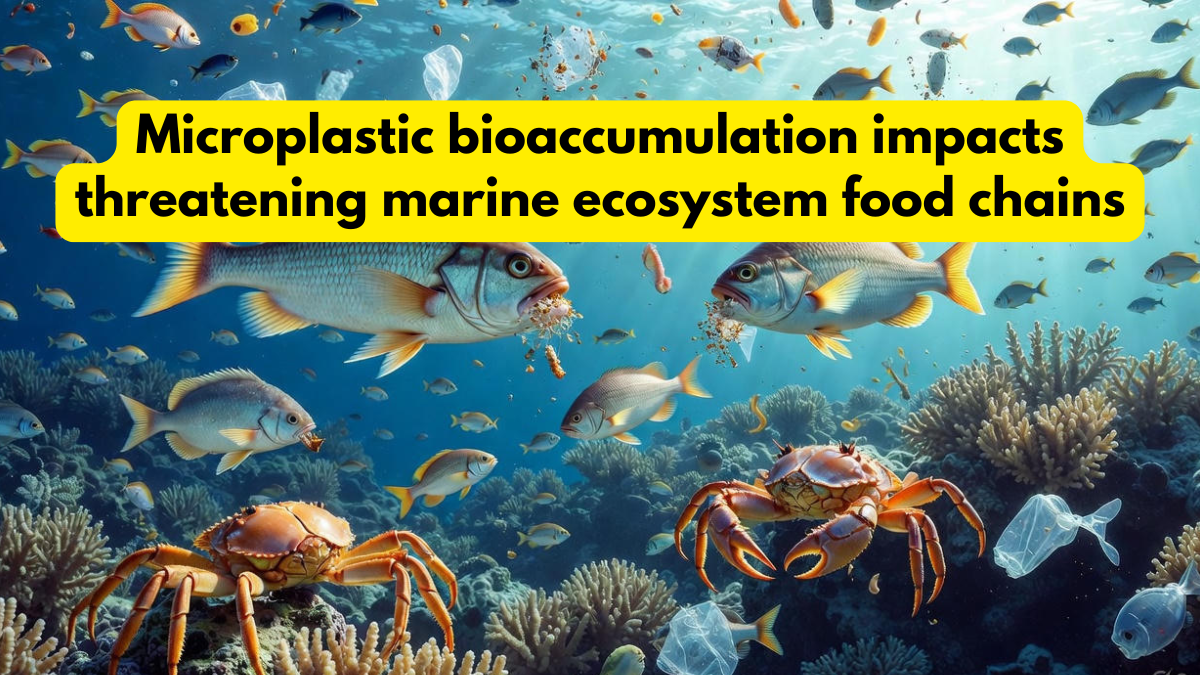
How Microplastics Enter and Accumulate in Marine Ecosystems
Microplastics originate from a variety of sources, including degraded plastics, synthetic textiles, cosmetics, industrial processes, and tire dust. Once released into waterways, these fragments persist for decades due to their durable chemical properties. Currents carry them through vast ocean regions, where they interact with surface layers, seafloor sediments, and aquatic organisms. The extensive spread of microplastics contributes heavily to marine pollution, creating a complex environmental challenge.
Marine animals—from plankton and shellfish to fish and marine mammals—often mistake microplastics for food. Once consumed, these particles become lodged in digestive systems or absorb into body tissues, beginning the process of microplastic bioaccumulation. The more organisms ingest them, the higher the concentration becomes throughout the ecosystem.
Microplastics also act as carriers for toxic chemicals. Certain plastic particles bind with pollutants such as heavy metals, pesticides, and industrial contaminants. These toxins attach to microplastic surfaces and enter the marine food chain when organisms ingest contaminated particles. This phenomenon severely compromises ocean health, weakening species and altering ecological stability.
Impacts of Microplastic Bioaccumulation on Marine Food Chains
The accumulation of microplastics disrupts food chains at multiple levels. Plankton and small filter-feeders, which form the foundation of marine ecosystems, are highly susceptible to microplastic ingestion. As these organisms consume plastic fragments, their nutrient absorption decreases, reducing growth and reproduction rates. This creates ripple effects across entire ecosystems.
Larger predators ingest microplastics indirectly when they consume contaminated prey. Over time, this leads to digestive blockages, tissue damage, weakened immune systems, and changes in feeding behavior. Such disruptions result in reduced population numbers and threatened species survival. The severity of marine pollution becomes increasingly evident as more marine animals exhibit signs of long-term microplastic exposure.
Below is a table summarizing key impacts of microplastic bioaccumulation on marine organisms and the broader implications for ocean health:
| Marine Group | Impact of Microplastics | Consequence for Ocean Health |
|---|---|---|
| Plankton | Reduced nutrient absorption | Weakens base of food chains |
| Shellfish | Tissue contamination | Raises concerns for seafood safety |
| Fish Species | Impaired digestion & growth | Disrupts ecological balance |
| Marine Mammals | Toxic buildup in organs | Threatens species survival |
| Seabirds | High ingestion rates | Declining populations globally |
These effects collectively undermine the stability of marine ecosystems, making microplastic bioaccumulation one of the most dangerous forms of pollution affecting oceans today.
Human Health Risks and Socioeconomic Consequences
The impacts of microplastic contamination do not end with marine animals. Humans are directly affected through the consumption of seafood containing microplastics and toxins. While research is ongoing, early findings suggest that microplastics may contribute to inflammation, hormonal disruption, and increased exposure to harmful chemicals. These potential health risks raise urgent concerns about global food safety and long-term public health.
Communities dependent on fishing face additional challenges. Declines in marine species caused by marine pollution threaten livelihoods, reduce income stability, and disrupt cultural traditions. As fish populations become more vulnerable, coastal economies may suffer widespread losses. Ensuring ocean health is therefore a necessity not only for ecosystems but also for maintaining economic resilience in marine-dependent regions.
Tourism is also impacted, as polluted beaches, contaminated waters, and declining biodiversity make coastal destinations less appealing. These combined socioeconomic pressures underline the critical need to address microplastic contamination at its source.
Strategies to Reduce Microplastic Pollution and Protect Marine Health
Combatting microplastic bioaccumulation requires a coordinated approach that includes prevention, remediation, and global policy efforts. Reducing plastic production and shifting toward sustainable materials are essential first steps. Governments must implement stricter regulations on single-use plastics, improve waste management systems, and encourage recycling programs.
Innovative cleanup technologies play a key role as well. Researchers are developing filtration systems to capture microplastics from wastewater, ocean cleanup vessels to remove debris from open waters, and biodegradable alternatives that lessen long-term environmental impact. These technologies contribute significantly to reducing marine pollution and restoring biodiversity.
Protecting ocean health also involves educating communities about proper waste disposal and supporting international agreements aimed at reducing plastic leakage into waterways. Collaborative global efforts ensure that both inland and coastal regions participate in maintaining healthy marine ecosystems. By adopting these strategies, we can mitigate the long-term harms of microplastic contamination and protect the planet for future generations.
Conclusion
The escalating threat of microplastic bioaccumulation demands urgent action from governments, industries, and communities worldwide. As microplastics accumulate in marine environments, they endanger species survival, disrupt entire food chains, and compromise human well-being. Addressing marine pollution at its source and implementing sustainable innovations are critical to restoring balance in global ecosystems. Ensuring stronger protections for ocean health will safeguard biodiversity and support resilient, thriving communities. With coordinated global action, we can work toward a cleaner, safer, and healthier marine future.
FAQ
What is microplastic bioaccumulation?
It refers to the buildup of microplastics in marine organisms and ecosystems over time.
How do microplastics affect marine food chains?
They disrupt digestion, decrease reproductive success, and weaken species at every trophic level.
Why is marine pollution increasing?
Rising plastic use, inadequate waste management, and global consumer habits have intensified pollution.
Are microplastics harmful to humans?
Research indicates potential risks linked to inflammation, toxins, and endocrine disruption from contaminated seafood.
How can we protect ocean health from microplastics?
By reducing plastic waste, improving recycling systems, and supporting global conservation initiatives.
Click here to learn more