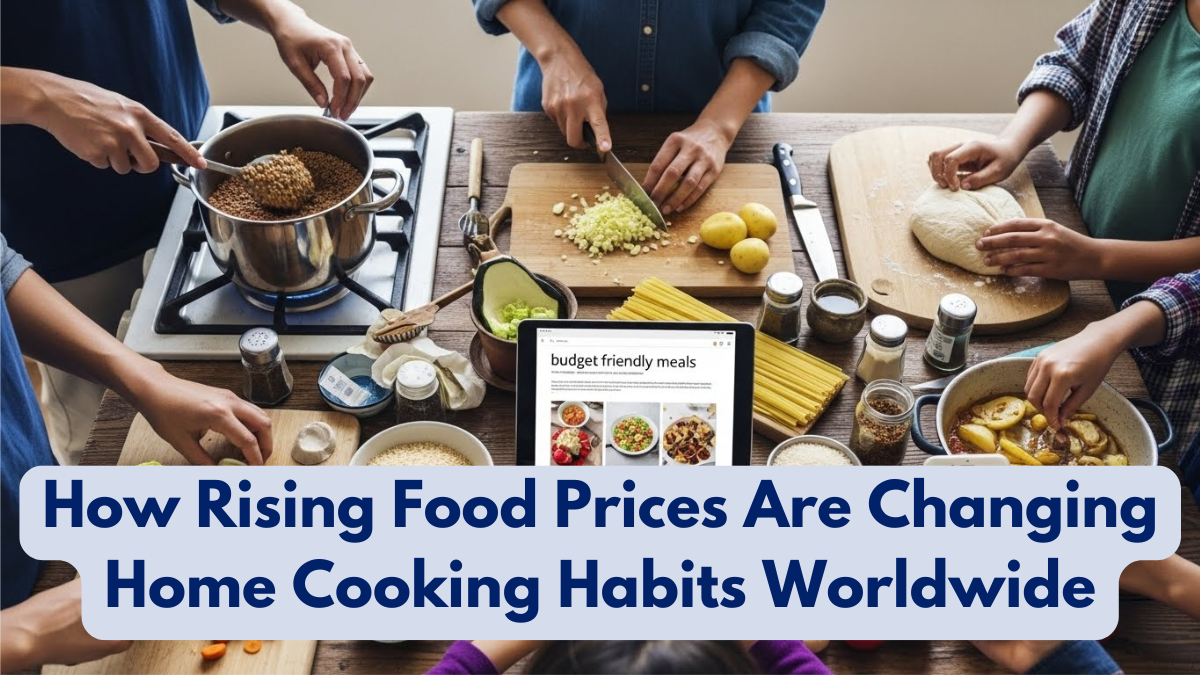
Rising food prices have become a defining issue for households across the globe, reshaping how people think about what they eat and how they prepare meals at home. Driven largely by persistent inflation, supply chain disruptions, and higher energy costs, everyday groceries are no longer as affordable as they once were. As a result, families are rethinking grocery budgets, adjusting shopping habits, and becoming more intentional about meal planning. The impact of rising food prices goes beyond economics, influencing cultural food traditions, nutritional choices, and the way people approach home-cooked recipes. This shift marks a significant change in global eating behavior, with long-term implications for health and sustainability.
Inflation and Its Direct Impact on Grocery Budgets
At the core of rising food prices is sustained inflation, which has steadily increased the cost of raw ingredients, transportation, and labor. Supermarkets have passed these costs onto consumers, forcing households to reassess their grocery budgets more frequently. Items once considered staples are now purchased more selectively, and shoppers are paying closer attention to price comparisons and promotions. The psychological effect of inflation has also made consumers more cautious, encouraging them to plan purchases ahead rather than making impulse buys. As rising food prices persist, managing grocery budgets has become a monthly strategy rather than an occasional concern.
Key changes consumers are making include:
- Tracking spending more closely due to inflation
- Choosing store brands over premium labels
- Reducing food waste to protect grocery budgets
- Cooking more meals at home instead of dining out
Meal Planning as a Cost-Control Strategy
One of the most noticeable responses to rising food prices is the renewed focus on meal planning. Planning meals in advance helps households maximize ingredients and avoid unnecessary purchases, directly countering the pressure of inflation. With structured meal planning, families can design weekly menus that align with their grocery budgets, ensuring affordability without sacrificing nutrition. This approach also encourages creativity, as people adapt recipes based on seasonal produce and discounted items. Over time, consistent meal planning has proven to be one of the most effective tools for coping with rising food prices.
The table below shows how meal planning affects household food spending:
| Meal Planning Habit | Cost Impact | Budget Benefit |
|---|---|---|
| Weekly menu prep | Lower impulse buying | Protects grocery budgets |
| Bulk cooking | Reduced per-meal cost | Counters inflation |
| Seasonal ingredients | Lower prices | Adapts to rising food prices |
| Leftover utilization | Less food waste | Improves efficiency |
This structured approach highlights why meal planning is becoming essential in today’s economic climate.
The Evolution of Home Recipes and Cooking Habits
As rising food prices continue, home cooks are modifying traditional recipes to make them more affordable. Expensive proteins are being replaced with plant-based alternatives, and portion sizes are adjusted to stretch meals further. This evolution reflects a practical response to inflation while also promoting healthier eating patterns. Many households now rely on versatile recipes that use fewer ingredients but deliver maximum flavor. By aligning recipes with meal planning goals, families can maintain variety without exceeding grocery budgets, proving that creativity can thrive even under financial pressure.
Popular recipe adaptations include:
- One-pot meals to reduce ingredient use
- Seasonal produce-based dishes
- Leftover-friendly recipes
- Budget-conscious comfort foods
Cultural and Global Shifts in Home Cooking
The influence of rising food prices is not limited to individual households; it is reshaping food culture worldwide. In many regions, communal cooking and shared meals are returning as ways to offset inflation and manage grocery budgets collectively. Cooking at home has become both a financial necessity and a cultural reconnection. This global shift emphasizes smarter meal planning and the rediscovery of traditional recipes that were designed for affordability. As rising food prices persist, these cultural adaptations may become permanent features of how societies approach food.
Conclusion
In summary, rising food prices are fundamentally changing home cooking habits around the world. Fueled by ongoing inflation, households are revising grocery budgets, embracing strategic meal planning, and reinventing familiar recipes to stay within financial limits. While these changes stem from economic pressure, they are also fostering creativity, reducing waste, and strengthening home cooking traditions. As families continue adapting to rising food prices, the lessons learned today may shape healthier, more sustainable eating habits for the future.
FAQs
Why are rising food prices affecting home cooking so significantly?
Rising food prices directly impact household expenses, forcing people to cook at home more often to control costs.
How does inflation influence grocery budgets?
Inflation increases the cost of food production and distribution, putting pressure on grocery budgets.
Can meal planning really reduce food expenses?
Yes, meal planning helps limit impulse buying and waste, making it easier to manage rising food prices.
Are people changing recipes because of food costs?
Many households are adapting recipes to use cheaper ingredients and stretch meals further.
Will rising food prices change long-term eating habits?
Ongoing rising food prices are likely to reinforce home cooking, smarter meal planning, and budget-focused recipes over time.
Click here to learn more