Modern work culture is experiencing a shift as people begin to question whether traditional time-based schedules truly support productivity and well-being. In 2026, energy based scheduling is emerging as a powerful alternative to rigid time management systems. Instead of organizing work purely around the clock, this approach aligns tasks with natural energy levels throughout the day. As burnout, distraction, and cognitive overload continue to affect professionals across industries, individuals and organizations are searching for smarter ways to work rather than longer hours.
The growing interest in energy based scheduling reflects changes in how productivity is defined. Productivity is no longer measured by hours spent working but by the quality and impact of output. By focusing on personal energy cycles, people are discovering new productivity methods that support sustainable performance. This shift is helping professionals improve work efficiency while maintaining better mental focus and long-term motivation.
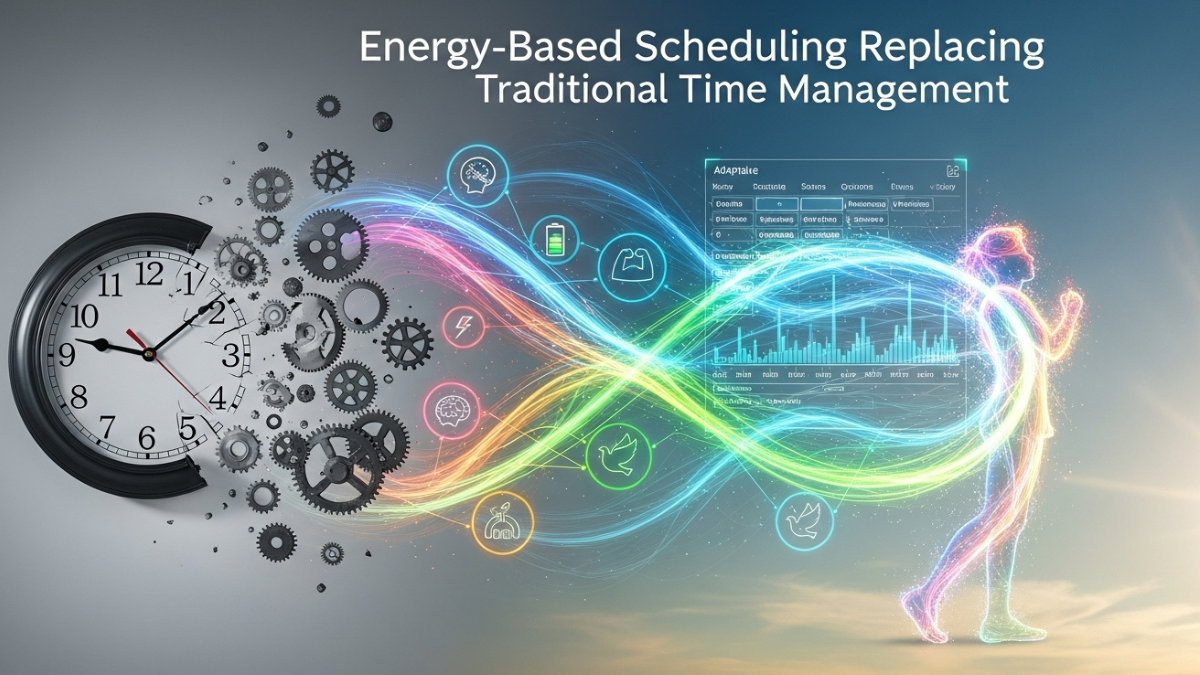
Understanding the Concept Behind Energy Based Scheduling
At its core, energy based scheduling recognizes that human energy fluctuates throughout the day. Factors such as sleep quality, nutrition, stress levels, and circadian rhythms influence when individuals feel most alert or fatigued. Traditional schedules often ignore these fluctuations, forcing people to perform demanding tasks during low-energy periods, which reduces efficiency and increases frustration.
Energy based scheduling encourages individuals to categorize tasks based on energy requirements rather than time duration. High-energy tasks such as creative thinking, problem-solving, or strategic planning are scheduled during peak energy periods. Low-energy tasks like administrative work or routine communication are reserved for slower times of the day. By aligning tasks with energy availability, productivity methods become more intuitive and sustainable, leading to noticeable improvements in work efficiency.
How Energy Based Scheduling Improves Work Efficiency
The impact of energy based scheduling on work efficiency is significant. When people work with their energy instead of against it, they experience deeper focus, faster task completion, and reduced mental fatigue. This approach minimizes context switching and helps individuals enter flow states more easily, where productivity and creativity are at their highest.
Key practices that support energy based scheduling include:
- Identifying personal peak energy hours
- Grouping tasks by cognitive demand
- Scheduling breaks to restore energy
- Limiting high-effort tasks during low-energy periods
- Adjusting workloads based on daily energy patterns
These productivity methods create a rhythm that supports consistent performance. Over time, individuals develop greater self-awareness and control over their work habits, resulting in improved work efficiency without increasing working hours.
Comparing Energy Based Scheduling With Traditional Time Management
The differences between energy based scheduling and traditional time management become clear when examining how each approach impacts performance and well-being. Traditional systems emphasize strict schedules and deadlines, often overlooking individual capacity and mental state. Energy-based approaches, on the other hand, prioritize adaptability and self-regulation.
The table below highlights key differences between the two approaches:
| Work Planning Aspect | Traditional Time Management | Energy Based Scheduling |
|---|---|---|
| Focus | Clock-driven | Energy-driven |
| Task Allocation | Fixed time slots | Energy-aligned tasks |
| Productivity Methods | Uniform for all | Personalized |
| Work Efficiency | Inconsistent | More sustainable |
This comparison explains why energy based scheduling is gaining traction as professionals seek productivity methods that respect human limitations and cognitive rhythms.
Challenges and Misconceptions Around Energy Based Scheduling
Despite its benefits, energy based scheduling is sometimes misunderstood. A common misconception is that it encourages working only when motivation is high and avoiding difficult tasks. In reality, the method promotes intentional task placement rather than avoidance. Discipline remains essential, but it is applied more strategically.
Another challenge involves workplace structures that rely on fixed schedules or rigid expectations. Implementing energy-based approaches may require cultural shifts and flexible policies. However, many organizations experimenting with adaptive productivity methods report higher engagement and improved work efficiency. Over time, these challenges can be addressed through education, experimentation, and leadership support.
Conclusion
As work continues to evolve, energy based scheduling is emerging as a practical and human-centered alternative to traditional time management. By aligning tasks with natural energy levels, individuals can achieve higher focus, reduced burnout, and improved work efficiency. Supported by modern productivity methods, this approach encourages people to work smarter rather than longer. In 2026 and beyond, energy based scheduling is redefining how success, balance, and productivity coexist in the modern workplace.
FAQ
What is energy based scheduling?
Energy based scheduling is a productivity approach that organizes tasks based on personal energy levels rather than fixed time blocks.
How does energy based scheduling improve work efficiency?
It aligns demanding tasks with peak energy periods, allowing for better focus and faster completion.
Is energy based scheduling suitable for all jobs?
While flexibility varies by role, many productivity methods can be adapted to fit different work environments.
How is energy based scheduling different from time management?
Traditional time management focuses on the clock, while energy based scheduling prioritizes mental and physical energy.
Can energy based scheduling reduce burnout?
Yes, by working with natural energy rhythms, it supports sustainable productivity and reduces exhaustion.
Click here to learn more