In 2026, managing personal data securely has become a top priority, and digital identity wallets are emerging as a powerful solution for individuals and organizations alike. As more services move online, users are required to share sensitive information repeatedly, increasing exposure to data breaches and misuse. Concerns around online privacy are no longer limited to tech experts; they affect everyday users navigating banking, healthcare, education, and e-commerce platforms. By centralizing credentials and giving users control, digital identity wallets are redefining how personal data is stored, shared, and protected, strengthening overall identity security in a digital-first world.
How Digital Identity Wallets Work in Everyday Use
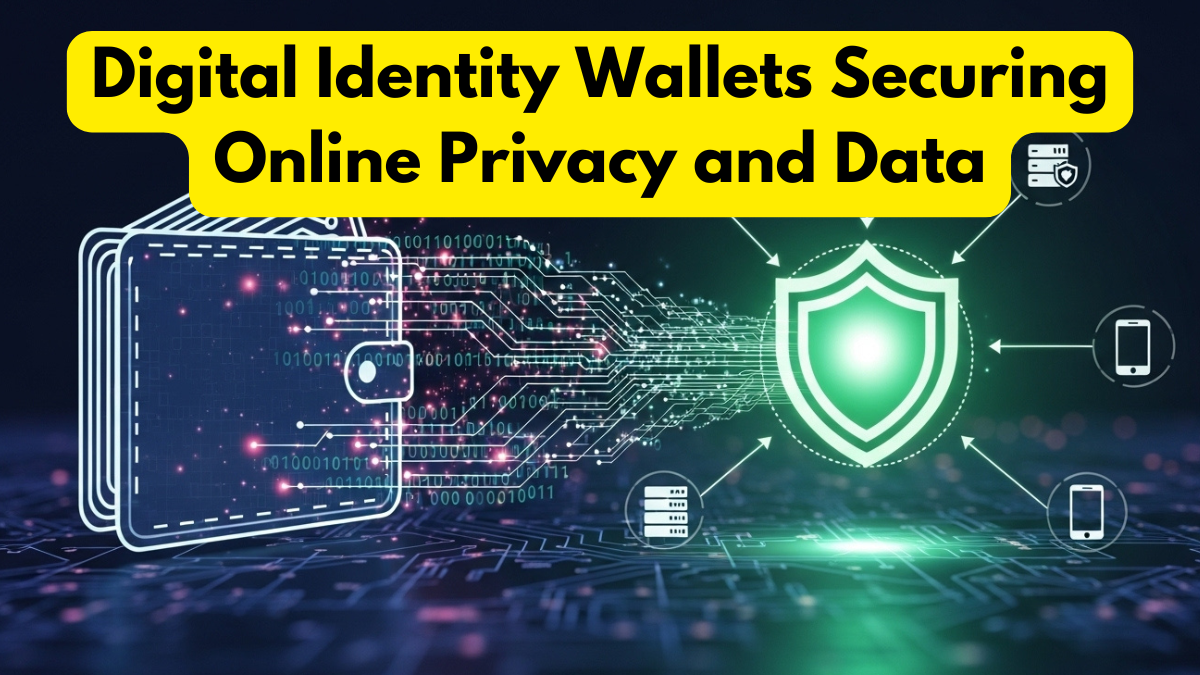
At their core, digital identity wallets are secure digital containers that store verified personal credentials. These may include government IDs, licenses, academic certificates, and login credentials. Instead of sharing full documents, users can selectively share verified information when required. This selective disclosure enhances online privacy by limiting unnecessary data exposure. Advanced encryption and authentication mechanisms ensure that only authorized parties can access the data, reinforcing identity security.
Modern digital identity wallets often use decentralized technologies that reduce reliance on centralized databases. This approach minimizes single points of failure and lowers the risk of mass data breaches. With biometric authentication and secure hardware integration, these wallets provide seamless access while maintaining strong identity security. As adoption grows, digital identity wallets are becoming a standard interface for secure digital interactions.
Benefits of Digital Identity Wallets for Online Privacy
One of the most significant advantages of digital identity wallets is enhanced user control. Traditional identity systems often store data across multiple platforms, increasing vulnerability. By consolidating credentials, digital identity wallets reduce fragmentation and improve online privacy. Users decide when, where, and how their information is shared, which builds trust in digital services.
Additional benefits include:
- Reduced risk of identity theft
- Minimal data sharing for verification
- Strong encryption supporting identity security
- Faster verification processes
- Improved confidence in online privacy practices
These benefits make digital identity wallets attractive for individuals seeking safer digital experiences.
Comparison of Traditional Identity Management and Digital Identity Wallets
Understanding the shift toward digital identity wallets becomes clearer when compared to traditional identity management systems. Conventional approaches rely on repeated data submission and centralized storage, which increases exposure. In contrast, digital identity wallets prioritize user control and security by design, significantly improving online privacy and identity security.
The table below compares traditional identity systems with digital identity wallets:
| Aspect | Traditional Identity Systems | Digital Identity Wallets |
|---|---|---|
| Data Storage | Centralized | User-controlled |
| Data Sharing | Full document sharing | Selective disclosure |
| Security Level | Moderate | High identity security |
| Privacy Control | Limited | Strong online privacy |
| Risk of Breach | Higher | Significantly reduced |
This comparison highlights why digital identity wallets are gaining momentum globally.
Role of Identity Security in Digital Transactions
As digital transactions increase, identity security becomes essential for preventing fraud and unauthorized access. Digital identity wallets strengthen transaction security by ensuring that identities are verified accurately and securely. Financial services, healthcare providers, and government platforms benefit from reliable verification while users maintain online privacy.
By using cryptographic proof rather than raw data, digital identity wallets reduce the risk of credential theft. This approach enhances identity security without complicating user experience. As a result, digital transactions become faster, safer, and more trustworthy, supporting broader adoption of online services.
Digital Identity Wallets and Regulatory Compliance
Regulatory requirements around data protection are becoming stricter worldwide, pushing organizations to adopt privacy-first solutions. Digital identity wallets align well with these regulations by minimizing data collection and emphasizing user consent. This design supports compliance with privacy laws while reinforcing online privacy principles.
For organizations, adopting digital identity wallets reduces liability associated with storing sensitive data. For users, it ensures transparency and control over personal information. This balance strengthens identity security across digital ecosystems and encourages responsible data practices.
Challenges and Adoption Barriers
Despite their advantages, digital identity wallets face adoption challenges. Interoperability between platforms, user education, and trust in new technologies can slow implementation. Some users may hesitate to adopt unfamiliar systems, even if they improve online privacy and identity security. Addressing these concerns requires clear communication and intuitive design.
Infrastructure readiness is another factor. Widespread adoption of digital identity wallets depends on integration with existing systems across industries. As standards evolve and awareness grows, these barriers are expected to diminish, paving the way for broader use.
Future Outlook for Digital Identity Wallets
Looking ahead, digital identity wallets are expected to become central to digital life. Integration with financial services, healthcare records, and smart devices will expand their functionality. Advances in cryptography and decentralized identity will further strengthen identity security while preserving online privacy.
As trust in digital systems grows, digital identity wallets will enable new forms of interaction, such as seamless cross-border verification and secure access to digital services. This evolution positions them as a foundational technology for the future of secure digital identity.
Conclusion
In 2026, digital identity wallets are transforming how individuals protect and manage their personal information online. By prioritizing online privacy and robust identity security, these solutions empower users with control and confidence in digital interactions. While adoption challenges remain, ongoing innovation and regulatory alignment are accelerating progress. As digital ecosystems continue to expand, digital identity wallets will play a critical role in securing data, reducing fraud, and building trust in the digital world.
FAQs
What are digital identity wallets?
Digital identity wallets are secure digital tools that store and manage verified personal credentials for online use.
How do digital identity wallets improve online privacy?
They enable selective data sharing, allowing users to share only necessary information and protect online privacy.
Are digital identity wallets secure?
Yes, digital identity wallets use encryption and authentication methods to ensure strong identity security.
Will digital identity wallets replace traditional IDs?
While traditional IDs will still exist, digital identity wallets are expected to become a widely used alternative for online verification.
Click here to learn more