Fashion is undergoing a major transformation as technology merges with creativity, giving rise to new forms of design, expression, and consumption. By 2026, digital fashion trends are reshaping the industry through virtual garments, immersive experiences, and online identity expression. Consumers are increasingly purchasing and wearing virtual clothing in digital environments such as games, social platforms, and virtual events. This shift is closely connected to the growth of the fashion metaverse, where digital avatars and virtual spaces enable new forms of fashion interaction. As digital lifestyles expand, fashion is moving beyond physical garments into hybrid and virtual domains.
The rise of digital fashion trends reflects changing consumer behavior and technological capabilities. Younger generations, particularly digital-native audiences, value online self-expression as much as physical appearance. Virtual clothing allows users to experiment with style without material constraints or environmental impact. Meanwhile, the fashion metaverse offers immersive environments where brands showcase collections, host events, and sell digital assets. By 2026, digital fashion is expected to complement physical fashion rather than replace it, creating new creative and commercial opportunities.
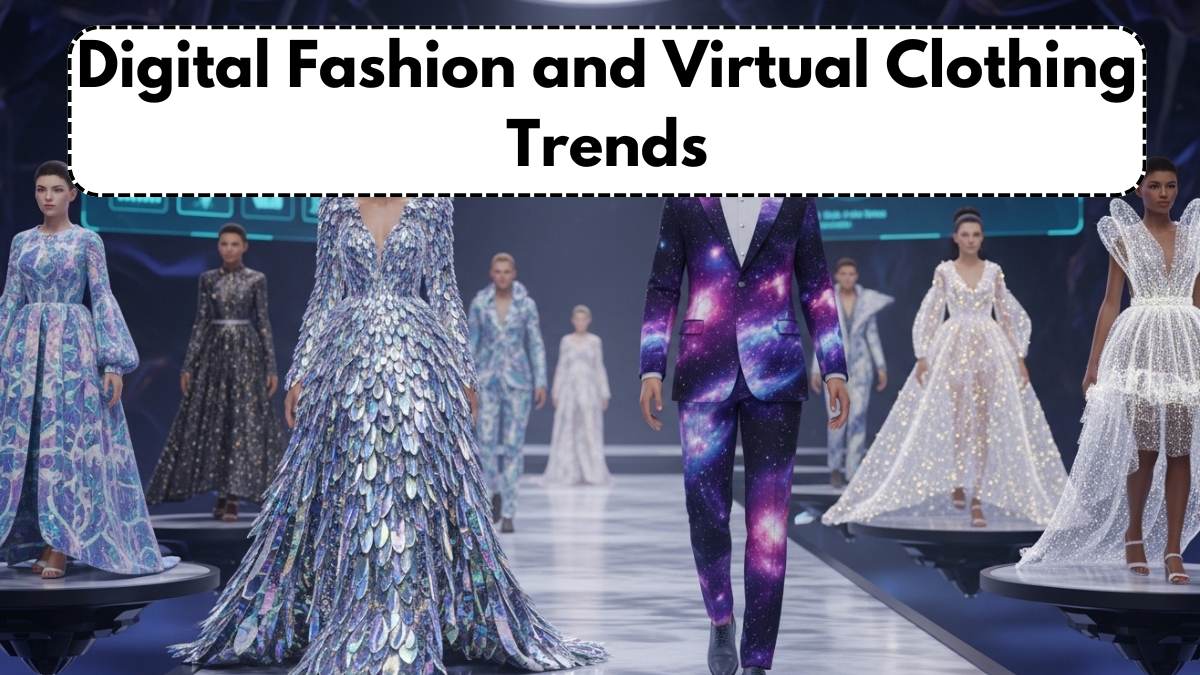
What Is Virtual Clothing and the Fashion Metaverse
At its core, virtual clothing refers to digitally designed garments worn by avatars or applied to images and videos through augmented reality. These garments exist purely in digital form and can be used across virtual platforms and social media. The fashion metaverse provides persistent digital spaces where users interact, socialize, and express identity through avatars. Within this environment, digital fashion trends enable new modes of ownership, customization, and creative experimentation.
Key characteristics of virtual clothing include:
- Digital-only garments without physical production
- Customizable designs and animated textures
- Wearable across multiple digital platforms
- Integrated with avatars and AR filters
- Tradeable digital assets in the fashion metaverse
These features show how digital fashion trends expand fashion beyond physical constraints. By enabling limitless design possibilities, virtual clothing fosters innovation and sustainability. The growth of the fashion metaverse is creating entirely new markets for digital apparel and experiences.
Benefits of Digital Fashion Trends
The emergence of digital fashion trends offers significant benefits for consumers, designers, and the environment. Virtual garments eliminate material waste and overproduction, reducing fashion’s ecological footprint. Consumers can experiment with style affordably through virtual clothing without physical ownership. Meanwhile, brands gain new revenue streams within the fashion metaverse.
Key benefits of digital fashion trends include:
- Reduced environmental impact
- Unlimited creative design possibilities
- New digital identity expression
- Lower production and inventory costs
- Monetization opportunities in virtual spaces
These advantages demonstrate how virtual clothing supports sustainable and innovative fashion. By expanding into the fashion metaverse, brands reach global audiences without logistical constraints. The continued growth of digital fashion trends is redefining fashion consumption and creativity.
Applications of Digital Fashion Across Industries
The influence of digital fashion trends extends beyond gaming and social media into retail, marketing, and entertainment. Fashion brands are launching digital collections, virtual try-ons, and immersive runway shows. Virtual clothing is used in digital photoshoots and influencer content without physical garments. The fashion metaverse enables virtual stores and events that mirror real-world experiences.
Common applications of digital fashion trends include:
- Virtual fashion shows and events
- Augmented reality try-on experiences
- Digital garments for social media content
- Avatar customization in virtual platforms
- NFT and collectible fashion assets
These applications illustrate how virtual clothing integrates with marketing and identity expression. By participating in the fashion metaverse, brands create immersive experiences that extend beyond physical retail. The expanding use of digital fashion trends is reshaping industry practices and consumer engagement.
Below is a comparison of traditional and digital fashion:
| Aspect | Traditional Fashion | Digital Fashion |
|---|---|---|
| Production | Physical materials | Virtual clothing |
| Environmental impact | High | Low |
| Ownership | Physical garments | Digital assets |
| Creativity | Material constraints | Unlimited |
| Retail | Physical stores | Fashion metaverse |
| Distribution | Logistics required | Instant digital |
This comparison highlights how digital fashion trends transform production, distribution, and sustainability. By leveraging virtual clothing, designers explore new aesthetics without material limits. The fashion metaverse enables global distribution without physical supply chains.
Challenges in Digital Fashion and Virtual Clothing
Despite its potential, digital fashion trends face challenges related to adoption, technology access, and value perception. Some consumers still prioritize physical ownership over virtual clothing. Technical barriers such as hardware requirements and platform compatibility affect accessibility. The fashion metaverse also raises questions about digital ownership and intellectual property.
Key challenges associated with digital fashion trends include:
- Consumer acceptance and adoption barriers
- Platform and interoperability limitations
- Intellectual property concerns
- Digital asset valuation uncertainty
- Technology access disparities
Addressing these issues is essential for the growth of virtual clothing markets. Standardization and cross-platform compatibility will strengthen the fashion metaverse ecosystem. As technology and culture evolve, digital fashion trends are expected to gain broader acceptance.
Future Trends in Digital Fashion
The future of digital fashion trends is closely linked to immersive technology, blockchain ownership, and hybrid fashion experiences. Digital garments may integrate with physical clothing through smart textiles and augmented reality overlays. The fashion metaverse will host interactive shopping, customization, and social fashion experiences. AI-generated virtual clothing designs will enable personalized digital wardrobes.
Emerging trends shaping digital fashion trends include:
- AI-generated fashion design
- Hybrid physical-digital garments
- Blockchain-based digital ownership
- Immersive fashion metaverse stores
- Personalized virtual clothing avatars
These innovations will further integrate digital fashion into everyday life. As the fashion metaverse expands, fashion identity will extend seamlessly across physical and virtual worlds. The continued evolution of digital fashion trends is redefining fashion for the digital age.
Conclusion
By 2026, digital fashion trends are transforming how fashion is created, experienced, and consumed. Through innovative virtual clothing and immersive fashion metaverse environments, the industry is expanding beyond physical garments into digital identity and creativity. These trends reduce environmental impact, enable limitless design possibilities, and open new markets for brands and creators. While adoption challenges remain, ongoing technological and cultural shifts are accelerating digital fashion’s growth. As virtual and physical lifestyles converge, digital fashion trends will play a central role in the future of fashion expression and commerce.
FAQ
What are digital fashion trends?
Digital fashion trends refer to the use of virtual garments and digital experiences in fashion design and consumption.
What is virtual clothing?
Virtual clothing consists of digitally created garments worn by avatars or applied to images and videos.
What is the fashion metaverse?
The fashion metaverse is a virtual environment where users express identity and interact through digital fashion and avatars.
Is digital fashion sustainable?
Yes, digital fashion trends reduce material waste and environmental impact compared to physical clothing.
Can people buy virtual clothing?
Yes, consumers can purchase virtual clothing for avatars, social media content, and fashion metaverse platforms.
Click here to learn more