Digital advertising is undergoing a significant transformation as consumers demand more transparency and control over how their personal data is used. The growing shift toward consent based advertising reflects a new approach where users actively choose how brands can interact with them online. Instead of relying on invasive tracking techniques, businesses are embracing privacy marketing strategies that prioritize trust and ethical data usage. The decline of traditional cookies has accelerated the rise of cookieless ads, encouraging advertisers to develop innovative ways to reach audiences while respecting user preferences.
As governments introduce stricter data protection regulations and browsers limit third-party tracking, brands are rethinking how they collect and use information. Consent based advertising is emerging as a sustainable solution that balances personalization with privacy, allowing companies to build meaningful relationships with their audiences without compromising trust.
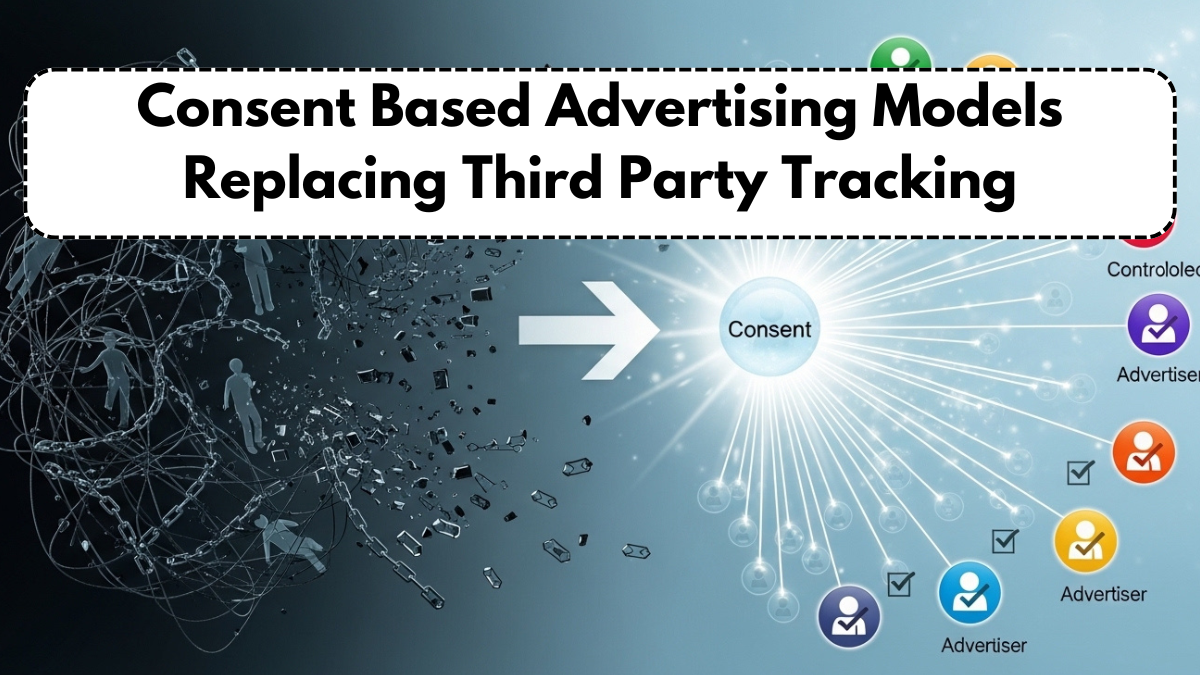
How Consent Based Advertising Works in a Cookieless World
At its core, consent based advertising focuses on transparency and user empowerment. Instead of automatically collecting browsing data, brands request permission before using personal information for targeted campaigns. This approach aligns with the principles of privacy marketing, ensuring that users remain informed and in control of their digital experiences.
Key features of consent based advertising models include:
• Clear opt-in mechanisms that explain how data will be used
• Personalized campaigns built on first-party data rather than third-party cookies
• Contextual targeting strategies that support cookieless ads
• Transparent data management policies that strengthen user trust
By adopting these practices, businesses can maintain effective marketing strategies while complying with evolving privacy standards. The rise of cookieless ads has encouraged marketers to focus on creativity and relevance rather than relying solely on tracking technologies.
Benefits of Privacy Marketing for Brands and Consumers
The shift toward privacy marketing offers advantages for both businesses and their audiences. For consumers, consent based advertising provides greater control over personal data and reduces unwanted tracking. For brands, it creates opportunities to build long-term loyalty through ethical practices and transparent communication.
Major benefits of consent based advertising include:
• Increased audience trust through transparent data usage
• Improved brand reputation within privacy-conscious markets
• Higher engagement rates due to relevant cookieless ads
• Stronger relationships built through ethical privacy marketing strategies
By focusing on genuine value rather than intrusive tracking, companies can create more meaningful connections with their customers. This approach highlights how consent based advertising supports a healthier digital ecosystem where personalization and privacy coexist.
Comparing Traditional Tracking With Consent Based Advertising Models
To better understand the impact of consent based advertising, it is helpful to compare it with traditional advertising models that rely heavily on third-party cookies. The table below highlights key differences between these approaches and their role in shaping modern privacy marketing strategies.
| Advertising Model | Data Collection Method | User Control | Role of Cookieless Ads | Impact on Privacy Marketing |
|---|---|---|---|---|
| Third-Party Cookie Tracking | Automatic data collection | Low user control | Limited adoption | Often raises privacy concerns |
| Behavioral Targeting | Extensive tracking across sites | Minimal transparency | Declining effectiveness | Weak alignment with privacy trends |
| Consent Based Advertising | Opt-in data sharing | High user control | Core component of cookieless ads | Strong foundation for privacy marketing |
| Contextual Advertising | Content-based targeting | Full user privacy | Highly compatible with cookieless ads | Ethical and sustainable strategy |
This comparison shows how consent based advertising provides a more transparent and user-friendly approach to digital marketing. By emphasizing privacy marketing, brands can adapt to changing regulations while maintaining effective advertising performance.
Challenges and Opportunities in Transitioning to Cookieless Ads
Although the benefits of consent based advertising are clear, transitioning away from traditional tracking methods presents challenges for marketers. Companies must develop new strategies for audience targeting, data analysis, and campaign measurement within the evolving landscape of cookieless ads.
Common challenges include:
• Adjusting to reduced access to third-party data
• Investing in new analytics tools that align with privacy marketing principles
• Educating audiences about consent mechanisms
• Maintaining campaign performance without invasive tracking techniques
However, these challenges also create opportunities for innovation. Brands are exploring creative storytelling, contextual targeting, and community-driven engagement to make consent based advertising more effective. By focusing on authentic relationships rather than data volume, companies can thrive in the era of cookieless ads.
The Future of Consent Based Advertising and Privacy Marketing
The future of digital advertising is likely to be shaped by advancements in artificial intelligence, decentralized data systems, and enhanced privacy technologies. As consent based advertising becomes more widespread, brands will continue to refine their privacy marketing strategies to deliver personalized experiences without compromising user trust.
Emerging trends influencing the future of consent based advertising include:
• AI-driven contextual targeting that enhances cookieless ads performance
• First-party data strategies that prioritize user consent
• Blockchain-based identity solutions that strengthen data transparency
• Interactive advertising formats that encourage voluntary engagement
These developments highlight how consent based advertising is evolving into a sustainable and ethical model for the digital age. By prioritizing transparency and collaboration, marketers can create campaigns that respect user preferences while achieving business goals.
Conclusion
The rise of consent based advertising marks a major shift toward more ethical and transparent digital marketing practices. By embracing privacy marketing and adapting to the era of cookieless ads, businesses can build stronger relationships with their audiences while maintaining compliance with evolving regulations. As technology continues to reshape the advertising landscape, brands that prioritize user trust and responsible data usage will be better positioned for long-term success. Through innovation and collaboration, consent based advertising has the potential to redefine how companies connect with consumers in a privacy-focused digital world.
FAQs
What is consent based advertising?
consent based advertising is a marketing approach where users give permission before their data is used for targeted advertising.
How do cookieless ads work without third-party tracking?
cookieless ads rely on contextual targeting, first-party data, and user consent instead of traditional cookie-based tracking.
Why is privacy marketing important for modern businesses?
privacy marketing builds trust by ensuring that data is collected and used responsibly, aligning with consumer expectations and regulations.
Can consent based advertising improve campaign performance?
Yes, consent based advertising often leads to higher engagement because audiences feel more comfortable interacting with brands that respect their privacy.
Click here to learn more