The global fashion industry is under increasing pressure to improve transparency, sustainability, and accountability across its complex supply networks. Consumers, regulators, and brands are demanding clear visibility into sourcing, production, and labor practices. In response, AI supply chain fashion technologies are emerging as transformative tools that enable real-time monitoring and optimization of fashion supply chains. By integrating advanced analytics, automation, and digital tracking, these systems support responsible sourcing and production. As sustainability becomes a competitive differentiator, ethical fashion tech and end-to-end traceability are redefining how apparel is produced and delivered.
Traditional fashion supply chains often involve multiple intermediaries across regions, making transparency difficult. AI supply chain fashion platforms address this challenge by aggregating data from suppliers, manufacturers, logistics partners, and retailers. Through machine learning and digital tracking, brands gain visibility into each stage of production. This level of traceability ensures compliance with environmental and labor standards. As a result, ethical fashion tech is enabling companies to align operations with sustainability goals while building consumer trust.
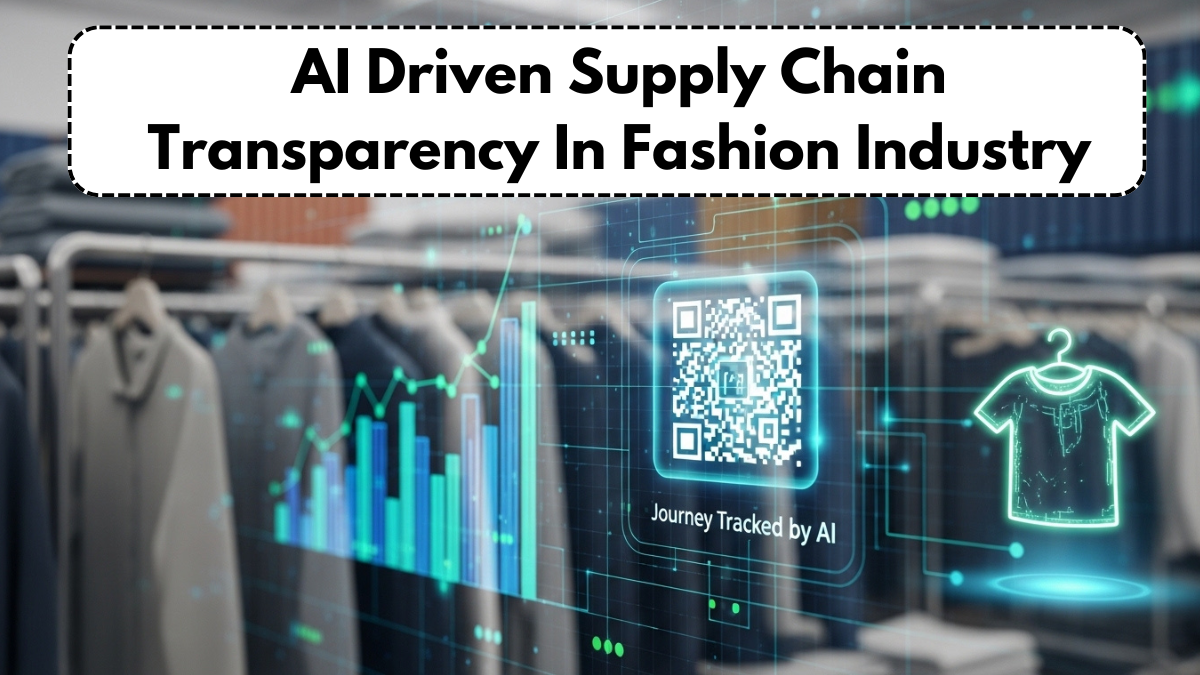
How AI Supply Chain Fashion Enables Traceability
The foundation of AI supply chain fashion lies in collecting and analyzing data across the entire apparel lifecycle. Sensors, digital tags, and enterprise systems capture information about materials, production processes, and logistics movements. Artificial intelligence processes this data to identify patterns, inefficiencies, and risks. These insights create comprehensive traceability records that track garments from raw materials to finished products. Such transparency is central to ethical fashion tech initiatives.
Blockchain and digital identity technologies further enhance AI supply chain fashion by creating immutable records of transactions and product origins. Each stage of manufacturing can be verified, ensuring authenticity and compliance. Consumers and brands can access traceability information through digital labels or QR codes. This connectivity supports ethical fashion tech by linking supply chain data directly to products. Through these technologies, fashion supply chains become transparent, accountable, and responsive.
Key traceability mechanisms include:
- Digital product identification and tagging
- Supplier data integration and monitoring
- AI-driven risk and compliance analysis
- Blockchain-based transaction records
- Consumer-facing transparency tools
Benefits of Ethical Fashion Tech for Industry and Consumers
One of the most significant advantages of AI supply chain fashion is improved accountability across sourcing and production. Brands can monitor supplier practices and ensure compliance with labor and environmental standards. This strengthens ethical fashion tech commitments and reduces reputational risks. Enhanced traceability also enables rapid response to issues such as defects or regulatory violations. Such capabilities support responsible and resilient supply chains.
Consumers benefit through greater confidence in product origins and sustainability claims. AI supply chain fashion allows brands to provide verifiable information about materials, production locations, and ethical standards. This transparency supports informed purchasing decisions aligned with values. Additionally, ethical fashion tech helps reduce waste and overproduction by optimizing demand forecasting and inventory management. Together, these benefits improve both sustainability and consumer trust in fashion products.
Additional benefits include:
- Verified ethical sourcing
- Reduced supply chain risk
- Improved sustainability reporting
- Enhanced brand credibility
- Efficient inventory management
Technologies Powering AI Supply Chain Fashion
The effectiveness of AI supply chain fashion depends on integrating multiple digital technologies. Artificial intelligence analyzes supplier data, demand trends, and logistics performance to optimize operations. Internet of Things sensors track material movement and environmental conditions, supporting traceability across production stages. Blockchain platforms record transactions securely, reinforcing ethical fashion tech transparency.
Digital twins and predictive analytics further enhance AI supply chain fashion by simulating supply chain scenarios and forecasting disruptions. Cloud-based platforms enable collaboration among stakeholders, centralizing data for traceability management. These technologies create connected ecosystems where ethical fashion tech solutions can scale across global supply networks. As adoption grows, AI-driven supply chain transparency is becoming integral to fashion industry transformation.
| Technology Component | Role in AI Supply Chain Fashion | Impact on Traceability |
|---|---|---|
| Artificial Intelligence | Analyze supply data | Optimize ethical fashion tech |
| IoT Sensors & Tags | Track materials and products | Enable real-time traceability |
| Blockchain Systems | Secure transaction records | Ensure authenticity |
| Digital Twins | Simulate supply chain flows | Improve planning |
| Cloud Platforms | Integrate stakeholders | Scale transparency |
Applications of AI Supply Chain Fashion in the Industry
The applications of AI supply chain fashion extend across sourcing, manufacturing, and retail operations. Brands use AI-driven analytics to evaluate suppliers and ensure ethical standards, strengthening ethical fashion tech compliance. Material sourcing platforms track origin and sustainability credentials, improving traceability of raw inputs. Manufacturing monitoring systems analyze production efficiency and labor conditions, enhancing transparency.
Retail and consumer engagement also benefit. AI supply chain fashion enables digital product passports that provide buyers with detailed information about garment origins. Recycling and circular economy initiatives use traceability data to manage product lifecycles and materials recovery. Logistics optimization reduces carbon emissions and waste across supply chains. Through these applications, ethical fashion tech is transforming the fashion industry toward sustainability and accountability.
Common use cases include:
- Ethical supplier evaluation
- Sustainable material sourcing
- Production monitoring and compliance
- Digital product transparency
- Circular fashion lifecycle tracking
Challenges and Future Outlook for AI Supply Chain Fashion
Despite its potential, AI supply chain fashion faces challenges related to data integration, cost, and global coordination. Supply chains often involve diverse systems and stakeholders, complicating unified traceability implementation. Smaller suppliers may lack digital infrastructure required for ethical fashion tech adoption. Ensuring data accuracy and standardization across regions is also essential for effective transparency.
However, industry collaboration and regulatory pressure are accelerating progress. Governments and organizations are mandating supply chain disclosure and sustainability reporting, encouraging AI supply chain fashion adoption. Advances in digital tagging and cloud platforms are reducing implementation barriers. As consumers demand transparency, traceability will become a standard expectation. The future of ethical fashion tech points toward fully connected supply chains where AI provides real-time visibility and sustainability assurance across the fashion ecosystem.
Conclusion
The emergence of AI supply chain fashion is transforming the fashion industry by enabling transparent, accountable, and sustainable production networks. Through advanced analytics, digital tracking, and blockchain verification, ethical fashion tech delivers end-to-end traceability across complex supply chains. These capabilities empower brands to ensure ethical practices and consumers to make informed choices. As technology adoption accelerates, AI-driven transparency will become fundamental to fashion industry sustainability and trust. The future of fashion lies in intelligent supply chains that align economic success with environmental and social responsibility.
FAQs
What is AI supply chain fashion
AI supply chain fashion uses artificial intelligence and digital tracking to improve transparency and traceability in apparel production, supporting ethical fashion tech.
How does traceability work in fashion supply chains
traceability in AI supply chain fashion tracks materials and production stages through digital records, enabling ethical fashion tech transparency.
Why is ethical fashion tech important
ethical fashion tech ensures responsible sourcing and production using AI supply chain fashion and traceability data.
Who uses AI supply chain fashion technologies
Fashion brands, suppliers, and retailers use AI supply chain fashion tools to enhance traceability and implement ethical fashion tech practices.
What is the future of AI supply chain fashion
The future of AI supply chain fashion involves fully transparent supply networks driven by traceability and advanced ethical fashion tech solutions.
Click here to learn more