Aging population healthcare has become a defining issue for governments and healthcare systems worldwide as life expectancy continues to rise and birth rates decline. Shifting demographics mean that a larger proportion of the population is now aged 60 and above, placing unprecedented pressure on medical infrastructure and social support systems. This transformation is not only changing how healthcare is delivered but also redefining priorities around elder care and long-term wellbeing. As societies adapt to these changes, public health strategies are being restructured to address chronic conditions, preventive care, and the complex needs of older adults.
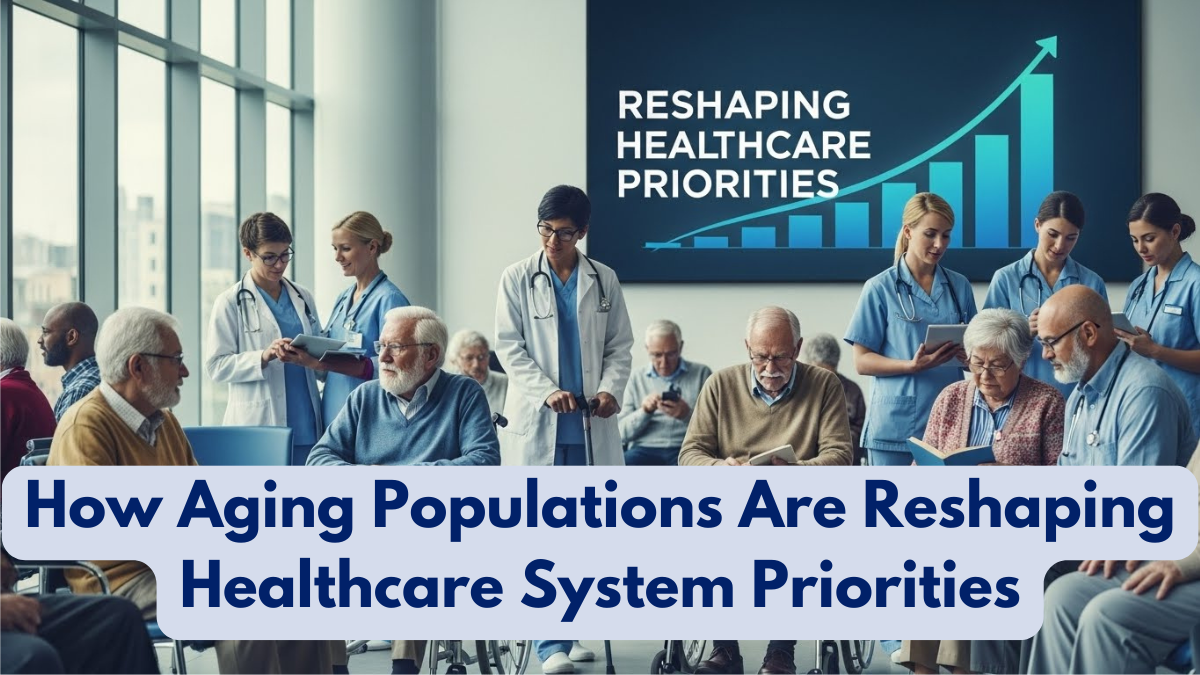
Demographic Shifts And Their Impact On Healthcare Demand
The rapid change in demographics is one of the most influential drivers behind the evolution of aging population healthcare. In many countries, older adults now represent the fastest-growing age group, leading to higher demand for medical services, long-term treatment, and specialized care. This shift affects hospital capacity, workforce planning, and healthcare financing models, all of which must adapt to serve an older population effectively.
An aging society also alters disease patterns. Chronic illnesses such as cardiovascular disease, diabetes, and arthritis become more prevalent, requiring sustained medical attention. As a result, public health systems are moving away from short-term treatment models toward integrated, long-term care strategies. Addressing these realities is essential to maintaining quality and accessibility within aging population healthcare systems.
The Growing Importance Of Elder Care Services
As aging population healthcare evolves, elder care services are becoming a central focus. Traditional family-based caregiving models are under strain due to urbanization, smaller households, and changing work patterns. This has increased reliance on professional elder care facilities, home healthcare services, and assisted living arrangements. Healthcare systems must now balance medical treatment with daily living support, emotional wellbeing, and social inclusion.
Quality elder care also plays a preventive role. Proper nutrition, mobility support, and mental health services reduce hospital admissions and improve overall quality of life. By integrating elder care into broader public health planning, governments can better manage healthcare costs while ensuring dignity and independence for older adults.
Public Health Strategies For Aging Societies
The rise of aging population healthcare is reshaping public health priorities at a fundamental level. Preventive care, early diagnosis, and lifestyle interventions are now emphasized to delay the onset of chronic conditions. Vaccination programs, routine screenings, and community-based wellness initiatives are increasingly tailored to older populations.
Health education also plays a crucial role. Empowering older adults with knowledge about nutrition, exercise, and disease management supports healthier aging. As demographics continue to shift, public health systems must adopt data-driven approaches to anticipate needs and allocate resources efficiently. These strategies help ensure that aging population healthcare remains sustainable in the long term.
Economic And Workforce Challenges In Aging Population Healthcare
One of the most pressing challenges in aging population healthcare is the strain on healthcare financing and workforce availability. As the ratio of working-age individuals to retirees decreases, funding healthcare systems becomes more complex. At the same time, demand for healthcare professionals trained in elder care is rising sharply.
Workforce shortages can impact service quality and access, particularly in rural or underserved areas. To address this, many countries are investing in training programs, digital health tools, and task-sharing models. Aligning workforce development with changing demographics is critical for maintaining effective public health services and meeting the needs of aging populations.
Technology And Innovation Supporting Elder Care
Technological innovation is playing an increasingly important role in aging population healthcare. Telemedicine, remote monitoring devices, and assistive technologies help older adults manage health conditions from home. These tools improve access to care while reducing the burden on hospitals and caregivers. In the context of elder care, technology enhances safety, independence, and timely medical intervention.
Digital health solutions also support public health goals by enabling data collection and population-level analysis. Understanding trends in demographics and health outcomes allows policymakers to design targeted interventions. As innovation continues, technology will remain a key enabler of efficient and compassionate aging population healthcare.
Key Healthcare Priorities In Aging Populations
- Expansion of elder care facilities and home-based services
- Increased focus on preventive public health programs
- Workforce training aligned with changing demographics
- Integration of technology in aging population healthcare
- Sustainable healthcare financing models
Table: How Aging Populations Are Changing Healthcare Priorities
| Area Of Focus | Traditional Approach | New Priority With Aging Populations |
|---|---|---|
| Care Model | Acute treatment | Long-term elder care |
| Public Health | General population focus | Age-specific prevention |
| Workforce | General practitioners | Geriatric specialists |
| Technology Use | Limited | Remote care and monitoring |
| Resource Allocation | Short-term care | Sustainable aging population healthcare |
Conclusion
The transformation of aging population healthcare reflects a broader societal shift driven by changing demographics and longer life expectancy. As the need for comprehensive elder care grows, healthcare systems must adapt by prioritizing preventive public health strategies, workforce development, and technological innovation. Successfully addressing these challenges will determine how well societies support their aging populations while maintaining equitable and sustainable healthcare systems. Forward-looking policies and integrated care models are essential to meeting the evolving demands of aging population healthcare.
FAQs
What is aging population healthcare?
aging population healthcare refers to medical and support systems designed to meet the needs of older adults.
Why are demographics important in healthcare planning?
Changing demographics influence disease patterns, service demand, and resource allocation.
How does elder care fit into public health?
elder care supports preventive and long-term public health goals by improving quality of life.
What challenges do healthcare systems face with aging populations?
Key challenges include workforce shortages, rising costs, and increased demand for chronic care.
How can technology improve aging population healthcare?
Technology supports remote care, monitoring, and efficient service delivery in aging population healthcare.
Click here to learn more