Digital wellbeing tools have become essential in a world where screens dominate work, communication, and entertainment. From smartphones and laptops to smart TVs and wearables, people spend a significant portion of their day online. While technology brings convenience and connectivity, excessive use can negatively impact mental focus, sleep quality, and emotional health. Digital wellbeing tools are designed to help users develop healthier relationships with technology by promoting awareness, balance, and intentional usage. By supporting effective screen time control and encouraging long-term tech balance, these tools empower individuals to stay productive without feeling overwhelmed by digital overload.
Why Digital Wellbeing Tools Are More Important Than Ever
The growing dependence on digital devices has made digital wellbeing tools a necessity rather than a luxury. Constant notifications, social media scrolling, and extended work hours blur the boundaries between personal and professional life. Without proper screen time control, users often experience burnout, reduced attention span, and disrupted sleep cycles. Digital wellbeing tools help users recognize unhealthy patterns and take corrective action. By introducing structured limits and insights, these tools promote tech balance, allowing individuals to enjoy the benefits of technology without sacrificing mental clarity or emotional stability.
How Digital Wellbeing Tools Work
Digital wellbeing tools function by monitoring device usage, application activity, and user behavior. These tools collect data on how much time is spent on specific apps, websites, or devices. Based on this data, users receive detailed reports and alerts that support better screen time control. Many tools allow users to set daily limits, schedule breaks, or restrict access during focus hours. By continuously tracking habits, digital wellbeing tools adapt recommendations that encourage healthier routines and sustained tech balance across different aspects of life.
Key Benefits of Using Digital Wellbeing Tools
The adoption of digital wellbeing tools offers several benefits that positively impact productivity, mental health, and lifestyle balance. These advantages directly support better screen time control and improved tech balance. Key benefits include:
- Increased awareness of digital habits
- Improved focus and reduced distractions
- Healthier screen time control routines
- Better sleep quality through reduced late-night usage
- Enhanced emotional well-being and tech balance
By using digital wellbeing tools consistently, individuals can regain control over their digital environments. These tools help transform technology from a source of stress into a supportive resource for daily life.
Popular Types of Digital Wellbeing Tools
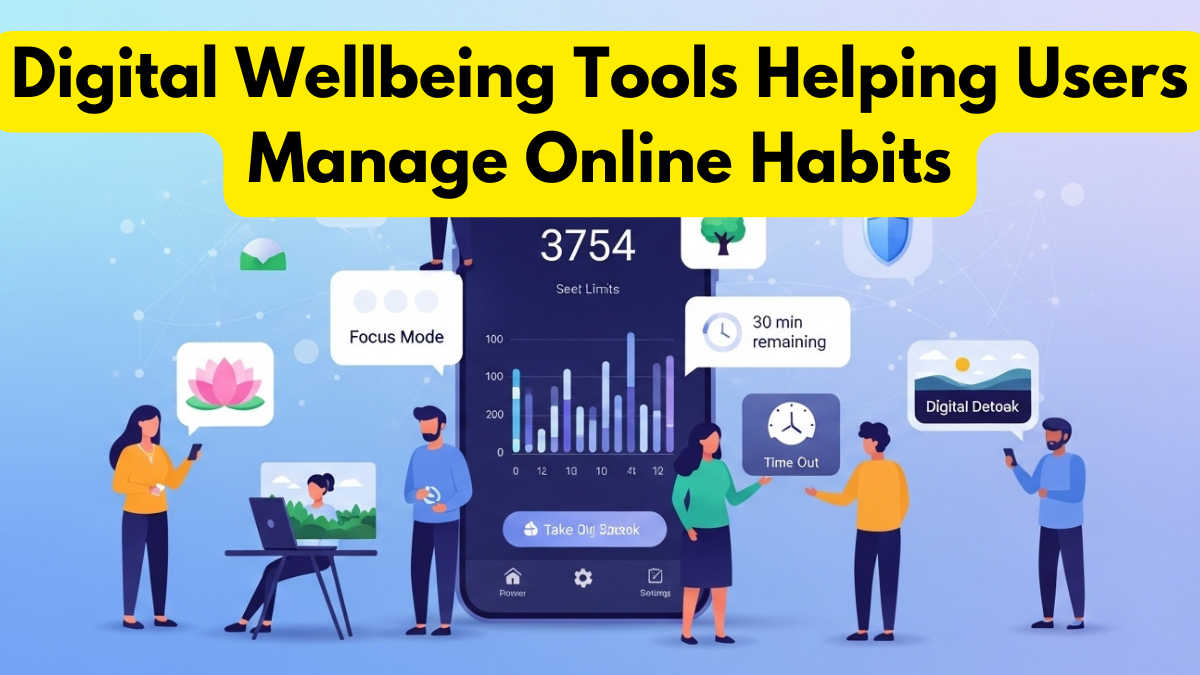
There are various types of digital wellbeing tools designed to address different user needs. Built-in smartphone dashboards provide insights into daily usage and support screen time control. App blockers restrict access to distracting applications during work hours. Wearable devices track digital habits alongside physical health metrics, reinforcing tech balance. Some tools also offer mindfulness prompts and digital detox modes. Together, these digital wellbeing tools create a comprehensive system for managing online habits effectively.
Comparison Table of Unmanaged Usage vs Digital Wellbeing Tools
| Aspect | Unmanaged Digital Usage | Digital Wellbeing Tools |
|---|---|---|
| Screen Awareness | Low | High visibility |
| Focus Level | Frequently disrupted | Improved concentration |
| Screen Time Control | Inconsistent | Structured and measurable |
| Mental Well-being | Often stressed | Balanced tech balance |
| Productivity | Variable | More consistent output |
This table clearly shows how digital wellbeing tools improve daily routines by reinforcing screen time control and maintaining healthy tech balance.
Role of Screen Time Control in Daily Life
Screen time control is one of the most impactful features of digital wellbeing tools. By limiting excessive usage, individuals can reclaim time for physical activity, hobbies, and social interactions. Effective screen time control also helps reduce eye strain and digital fatigue. When users set realistic limits and follow them consistently, tech balance becomes easier to achieve. Over time, digital wellbeing tools help build discipline and awareness, leading to healthier digital habits without the need for complete disconnection.
Digital Wellbeing Tools and Mental Health
Mental health is closely connected to how people interact with technology. Excessive screen exposure can increase anxiety, stress, and feelings of isolation. Digital wellbeing tools address these issues by encouraging mindful usage and regular breaks. Notifications reminding users to disconnect or breathe support emotional regulation. By maintaining screen time control, users experience improved mood and mental clarity. The emphasis on tech balance ensures that technology remains a supportive element rather than a constant source of pressure.
Challenges in Adopting Digital Wellbeing Tools
Despite their benefits, digital wellbeing tools face adoption challenges. Some users ignore alerts or override screen time control limits out of habit. Others may feel restricted or frustrated initially. Achieving lasting tech balance requires commitment and gradual behavior change. However, with consistent use and personalized settings, digital wellbeing tools become more effective over time. Education and self-awareness play a key role in maximizing their long-term impact.
Future Trends in Digital Wellbeing Tools
The future of digital wellbeing tools lies in deeper personalization and integration with artificial intelligence. Emotion-aware systems may soon adjust screen time control based on stress levels or productivity patterns. Cross-device tracking will provide more accurate insights into total digital exposure. As awareness around mental health and tech balance continues to grow, digital wellbeing tools will evolve into proactive digital companions that support healthier lifestyles.
Conclusion
Digital wellbeing tools are transforming how people manage their relationship with technology in an increasingly connected world. By promoting effective screen time control and encouraging sustainable tech balance, these tools help users regain focus, improve mental health, and enhance overall quality of life. Rather than eliminating technology, digital wellbeing tools empower individuals to use it more intentionally and responsibly. As digital habits continue to shape modern lifestyles, these tools will remain essential for building healthier, more balanced online experiences.
FAQs
What are digital wellbeing tools?
Digital wellbeing tools are applications and features designed to help users monitor, manage, and improve their technology usage habits.
How do digital wellbeing tools support screen time control?
They track usage patterns, set limits, and provide alerts to help users manage and reduce excessive screen time.
Why is tech balance important?
Tech balance ensures that technology enhances life without negatively affecting mental health, productivity, or relationships.
Can digital wellbeing tools improve productivity?
Yes, by reducing distractions and supporting screen time control, digital wellbeing tools help users stay focused and productive.
Are digital wellbeing tools suitable for all age groups?
Digital wellbeing tools are useful for children, adults, and professionals, helping everyone maintain healthier tech balance habits.
Click here to learn more