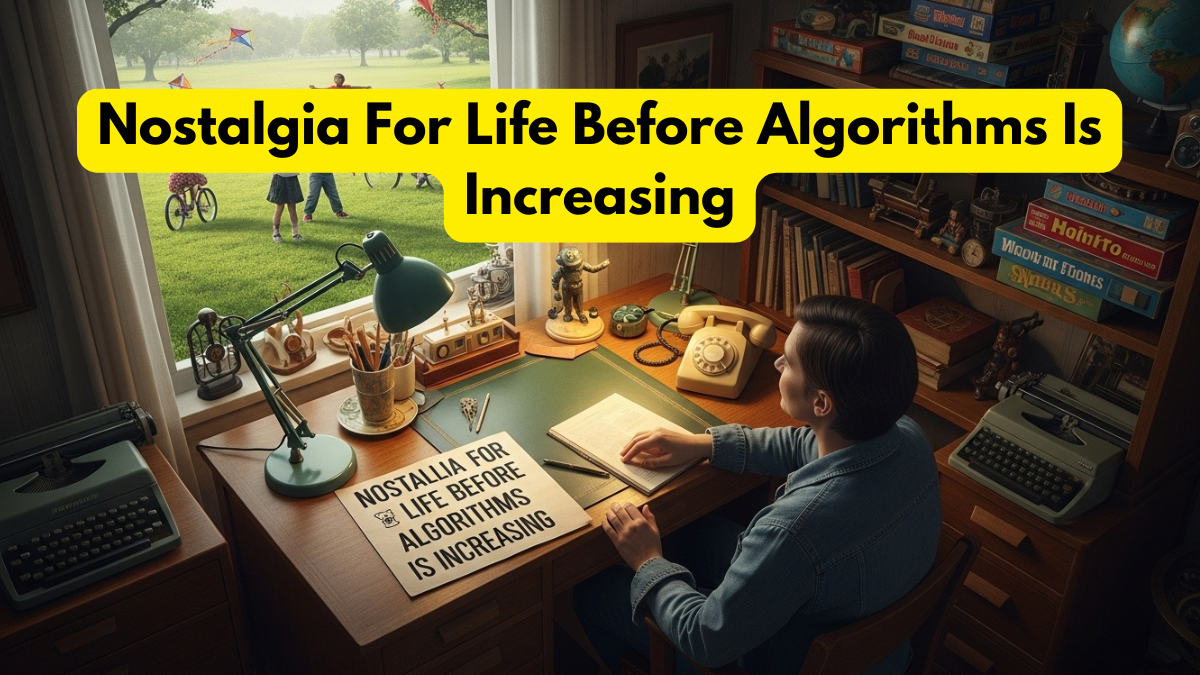
As technology becomes more predictive, automated, and data-driven, many people are experiencing a growing sense of pre algorithm nostalgia. This feeling reflects a longing for a time when digital experiences felt simpler, more spontaneous, and less controlled by invisible systems. In today’s hyper-personalized online environment, algorithms decide what people see, read, buy, and even think about. This has triggered a noticeable digital culture shift, where users are questioning whether algorithmic convenience has come at the cost of freedom, discovery, and authenticity. The increasing nostalgia for life before algorithms signals a deeper emotional response to modern digital life.
What Pre Algorithm Nostalgia Really Represents
Pre algorithm nostalgia is not just about missing old websites or early social media platforms. It represents a desire for autonomy and unpredictability in digital experiences. Before algorithms dominated timelines and recommendations, users actively searched, explored, and stumbled upon content organically. This sense of discovery fostered creativity and curiosity. As part of the broader digital culture shift, people are recognizing that algorithm-driven systems often narrow perspectives instead of expanding them. Nostalgia emerges when users feel that choice has been replaced by optimization.
How Algorithms Changed Everyday Digital Experiences
Algorithms were designed to improve efficiency and relevance, but they have also reshaped behavior and expectations. Recommendation engines now influence entertainment, news consumption, shopping habits, and social interaction. Over time, this constant curation has reduced randomness and increased repetition. Pre algorithm nostalgia grows as people realize that digital spaces once felt more open and less manipulative. This awareness is fueling a digital culture shift, where users are becoming more critical of how algorithmic systems shape attention, identity, and worldview.
Comparison Between Pre Algorithm And Algorithm Driven Digital Life
Understanding why pre algorithm nostalgia is rising becomes clearer when comparing past and present digital environments. The table below highlights key differences that contribute to this emotional response and ongoing digital culture shift.
| Aspect | Pre Algorithm Digital Life | Algorithm Driven Digital Life |
|---|---|---|
| Content Discovery | User-led exploration | Algorithm-curated feeds |
| Sense Of Control | High | Limited |
| Variety Of Content | Broad and unpredictable | Narrow and repetitive |
| User Agency | Active participation | Passive consumption |
| Emotional Response | Curiosity and freedom | Fatigue and frustration |
This comparison explains why many users feel disconnected from modern digital platforms despite their convenience.
Emotional And Psychological Effects Of Algorithm Dominance
The dominance of algorithms has subtle psychological consequences. Constant personalization can create echo chambers, reinforce biases, and limit exposure to new ideas. Over time, this leads to boredom, distrust, and disengagement. Pre algorithm nostalgia often emerges when users feel overwhelmed by optimization and predictability. As part of the ongoing digital culture shift, people are seeking experiences that feel human rather than engineered. This includes embracing randomness, slower media, and intentional digital habits.
Cultural Drivers Behind The Digital Culture Shift
The growing digital culture shift is influenced by more than technology alone. Cultural values are changing, with increased emphasis on authenticity, mental health, and intentional living. Younger generations, in particular, are questioning whether algorithmic efficiency aligns with personal fulfillment. Pre algorithm nostalgia resonates because it symbolizes a time when digital life felt less performative and less monetized. This cultural reassessment is encouraging people to rethink how they interact with platforms and how much control they surrender to automated systems.
The Rise Of Algorithm Resistance And Intentional Use
As awareness grows, many users are actively resisting algorithmic control. This includes switching to chronological feeds, subscribing to newsletters, using independent platforms, or consuming offline media. These behaviors are direct expressions of pre algorithm nostalgia and reflect the broader digital culture shift toward intentional consumption. Rather than rejecting technology outright, users are redefining how and when algorithms should influence their lives.
How Businesses And Platforms Are Responding
Some platforms are beginning to respond to growing user dissatisfaction by offering more control over feeds and recommendations. Transparency tools, customization options, and reduced algorithmic interference are becoming selling points. This response acknowledges the emotional power of pre algorithm nostalgia and the significance of the digital culture shift. Businesses that recognize this trend can build trust by prioritizing user agency over engagement maximization.
Long Term Implications Of Pre Algorithm Nostalgia
The rise of pre algorithm nostalgia may influence the future design of digital products. Users are demanding systems that support exploration rather than confinement. This could lead to hybrid models that balance personalization with randomness. As the digital culture shift continues, success may depend on how well technology respects human curiosity and choice rather than attempting to predict it entirely.
Conclusion
The increasing sense of pre algorithm nostalgia reflects a collective reevaluation of how technology shapes daily life. While algorithms offer convenience, they also reduce freedom and discovery when left unchecked. The ongoing digital culture shift shows that users want technology to support human experience, not dominate it. Nostalgia for life before algorithms is not about rejecting progress, but about reclaiming agency, curiosity, and authenticity in an increasingly automated world.
FAQs
What is pre algorithm nostalgia in simple terms?
Pre algorithm nostalgia is the longing for a time when digital experiences were less controlled by automated systems.
Why are people feeling nostalgic about life before algorithms?
Many feel algorithms limit choice and discovery, contributing to a broader digital culture shift.
Are algorithms entirely negative?
No, algorithms are useful, but overreliance can reduce autonomy and diversity of experience.
How does pre algorithm nostalgia affect digital behavior?
It encourages intentional use, reduced screen time, and exploration outside algorithmic feeds.
Will the digital culture shift change how platforms work?
Yes, growing demand for control and transparency may reshape how algorithms are designed and used.
Click here to learn more