Algorithmic pricing is becoming a defining feature of modern commerce, quietly influencing how much consumers pay for goods and services every day. From ride-hailing apps and airline tickets to online shopping and subscriptions, prices are increasingly determined by algorithms rather than fixed lists. While this shift promises efficiency and responsiveness, algorithmic pricing is also raising questions about transparency and trust among consumers.
As pricing decisions move behind digital interfaces, shoppers are often unaware of how prices are set or why they change. This opacity has intensified fairness concerns, especially when two customers see different prices for the same product within minutes. As retail tech advances and pricing becomes more personalized, consumer trust is being reshaped by perceptions of control, consistency, and ethical intent.
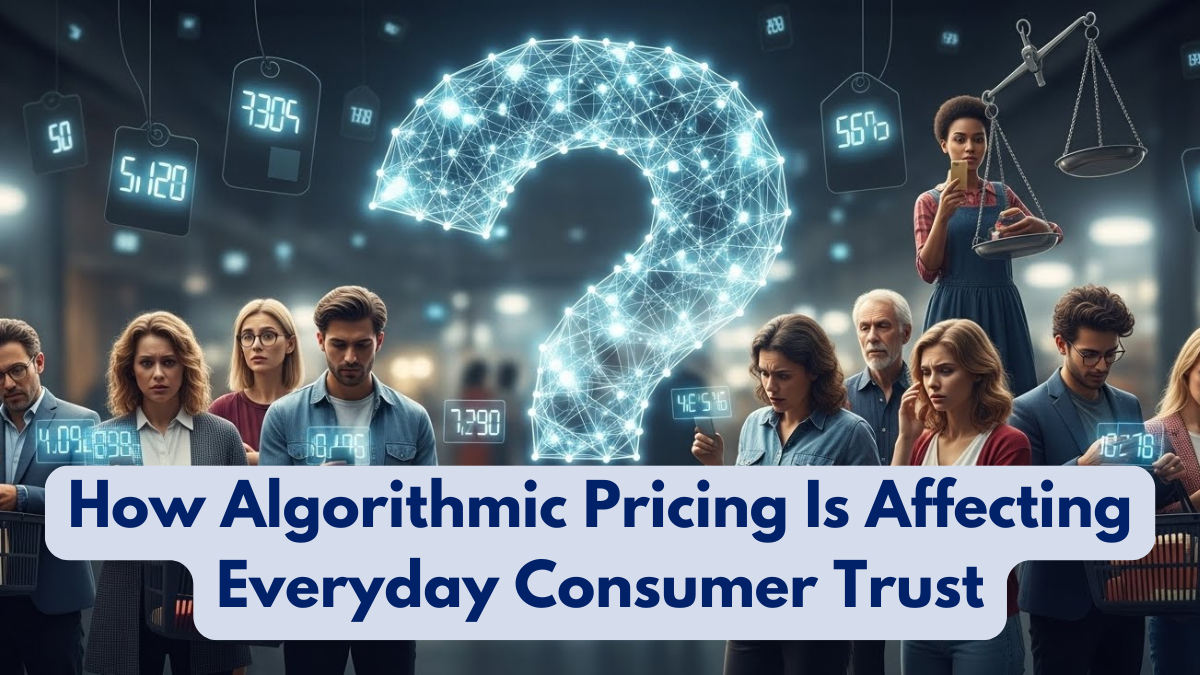
Dynamic pricing and real time market responsiveness
At the core of algorithmic pricing is dynamic pricing, which adjusts prices in real time based on demand, supply, competition, and user behavior. Unlike traditional pricing models that rely on periodic reviews, dynamic pricing systems continuously analyze data to optimize revenue. This allows businesses to respond instantly to market fluctuations and consumer demand.
From a business perspective, dynamic pricing improves efficiency and competitiveness. However, for consumers, constant price changes can feel unpredictable or manipulative. When shoppers notice prices rising during peak demand or after repeated searches, fairness concerns emerge. Without clear explanations, dynamic pricing can erode confidence even when it reflects legitimate market conditions.
Retail tech enabling personalized pricing models
Advances in retail tech have made algorithmic pricing more sophisticated and personalized. Machine learning systems now incorporate browsing history, location, device type, and purchasing patterns to tailor prices or promotions. This level of granularity allows retailers to maximize conversion rates and margins.
However, personalization amplifies fairness concerns. Consumers may question whether loyalty is rewarded or exploited when frequent shoppers see higher prices. The perception that algorithms “know too much” fuels discomfort. As retail tech evolves, balancing personalization with transparency becomes critical to maintaining trust in algorithmic pricing systems.
Fairness concerns and perceived price discrimination
One of the most significant challenges facing algorithmic pricing is managing fairness concerns. When prices vary between individuals or contexts, consumers may perceive discrimination, even if algorithms are optimizing for demand rather than targeting specific groups. The lack of visible rules intensifies suspicion.
Perceived unfairness can be more damaging than actual price differences. Consumers are generally willing to accept dynamic pricing when it feels predictable and justified, such as discounts during low demand. However, unexplained increases or inconsistent pricing undermine trust. Addressing fairness concerns requires clearer communication about how algorithmic pricing works and what factors influence outcomes.
Key drivers behind consumer skepticism include:
- Lack of transparency in algorithmic pricing
- Rapid and unexplained dynamic pricing changes
- Personalization enabled by retail tech
- Perceived inequity and fairness concerns
- Limited consumer control or opt-out options
The table below compares traditional pricing models with algorithmic pricing systems:
| Aspect | Traditional Pricing | Algorithmic Pricing |
|---|---|---|
| Price stability | High | Variable |
| Adjustment frequency | Periodic | Real time |
| Transparency | Clear | Often opaque |
| Fairness concerns | Lower | Higher |
| Retail tech reliance | Minimal | Central |
Consumer psychology and trust erosion
Consumer trust is shaped not only by prices but by perceived intent. When algorithmic pricing feels exploitative, trust declines even if prices are competitive. Behavioral research shows that consumers value consistency and fairness over absolute cost savings. Sudden price changes triggered by dynamic pricing can trigger loss aversion and frustration.
This psychological response is amplified when retail tech operates invisibly. Without insight into how decisions are made, consumers fill gaps with assumptions, often negative ones. Over time, repeated exposure to unpredictable pricing can lead to skepticism, reduced loyalty, and increased comparison shopping, undermining long-term relationships.
Regulatory scrutiny and ethical considerations
Growing fairness concerns around algorithmic pricing have attracted regulatory attention. Policymakers are examining whether dynamic pricing practices disadvantage certain groups or obscure essential information. While algorithmic pricing is not inherently unethical, lack of oversight can allow harmful practices to emerge.
Ethical use of retail tech requires guardrails that prevent discrimination and ensure accountability. Transparent pricing disclosures, audit mechanisms, and consumer rights to explanation are increasingly discussed as necessary protections. As regulation evolves, businesses must align algorithmic pricing strategies with societal expectations to sustain trust.
Business strategies to rebuild consumer confidence
To mitigate trust erosion, companies are experimenting with transparency-focused strategies. Clear explanations of dynamic pricing models, price guarantees, and visible discount logic help consumers understand fluctuations. Some retailers limit personalization to promotions rather than base prices to reduce fairness concerns.
Offering consumers greater control, such as price alerts or opt-outs from certain data uses, also improves confidence. When algorithmic pricing is framed as a tool for value rather than exploitation, trust can be rebuilt. Responsible retail tech deployment prioritizes long-term relationships over short-term optimization.
Long term implications for consumer behavior
As algorithmic pricing becomes more widespread, consumer behavior is adapting. Shoppers increasingly use comparison tools, delay purchases, or clear browsing data to avoid perceived price manipulation. These behaviors reflect declining trust and increased vigilance driven by dynamic pricing experiences.
Over time, widespread skepticism could reduce the effectiveness of personalized pricing. If consumers believe systems are unfair, they may disengage or demand regulation. Sustaining trust will require balancing innovation with transparency and addressing fairness concerns proactively rather than reactively.
Conclusion
In conclusion, algorithmic pricing is profoundly affecting everyday consumer trust by introducing real-time variability, personalization, and opacity into pricing decisions. While dynamic pricing and advanced retail tech offer efficiency and responsiveness, unresolved fairness concerns risk undermining confidence and loyalty. To succeed long term, businesses must pair algorithmic innovation with transparency, ethical safeguards, and consumer empowerment. Trust, once lost, is difficult to rebuild, making responsible pricing practices essential in the algorithm-driven economy.
FAQs
What is algorithmic pricing?
Algorithmic pricing uses automated systems and data analysis to set prices dynamically rather than relying on fixed price lists.
How does dynamic pricing affect consumers?
Dynamic pricing causes prices to change in real time, which can feel unpredictable and raise trust issues.
Why are fairness concerns associated with algorithmic pricing?
Fairness concerns arise when consumers perceive unequal or unexplained price differences.
What role does retail tech play in pricing?
Retail tech enables data-driven pricing models that personalize and optimize prices at scale.
Can algorithmic pricing be transparent?
Yes, clear communication and ethical design can make algorithmic pricing more transparent and trustworthy.
Click here to learn more