The modern workplace has undergone rapid transformation over the past decade, reshaped by technology, flexible schedules, and evolving organizational structures. While these changes have brought efficiency and convenience, they have also created an unintended challenge that many companies are only beginning to recognize. Workplace loneliness is emerging as a serious issue that affects not only individuals but also organizational performance. As teams become more distributed and interactions increasingly digital, feelings of isolation are becoming more common. This silent problem directly impacts employee wellbeing, productivity, and long-term business sustainability, making workplace loneliness a growing corporate risk that can no longer be ignored.
Understanding Workplace Loneliness in Modern Organizations
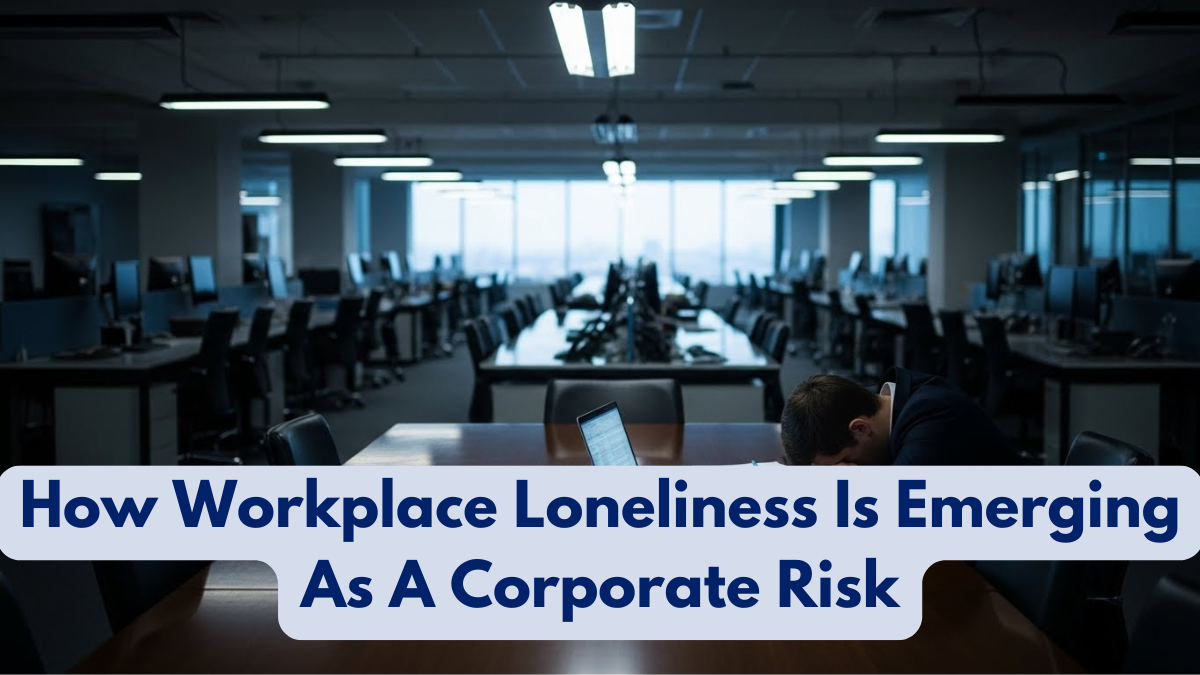
Workplace loneliness refers to the feeling of disconnection or lack of meaningful relationships at work, regardless of the number of colleagues or meetings an employee has. It is not simply about being alone but about lacking emotional support, trust, and a sense of belonging. With the rise of remote work, many employees experience reduced informal interactions, such as casual conversations or shared breaks, which traditionally helped build social bonds. Over time, this absence of connection leads to isolation, making workplace loneliness a persistent emotional state rather than a temporary feeling.
Why Workplace Loneliness Is Increasing
Several structural and cultural shifts have contributed to the rise of workplace loneliness. Distributed teams and remote work models limit face-to-face engagement, while heavy workloads reduce time for social interaction. Digital communication tools, though efficient, often lack emotional depth, making it harder to form genuine connections. Employees may appear engaged online while internally struggling with isolation. As organizations prioritize performance metrics, employee wellbeing can unintentionally take a back seat, allowing workplace loneliness to grow unnoticed across departments.
Impact on Employee Wellbeing and Mental Health
The effects of workplace loneliness on employee wellbeing are significant and far-reaching. Employees who feel disconnected are more likely to experience stress, anxiety, and low morale. Prolonged isolation can weaken emotional resilience and reduce motivation, leading to disengagement and absenteeism. In remote work environments, these challenges are often amplified, as employees may lack immediate support systems. When workplace loneliness is left unaddressed, it can contribute to burnout and declining mental health, affecting both individuals and team dynamics.
How Workplace Loneliness Becomes a Corporate Risk
From a business perspective, workplace loneliness is more than a personal issue; it is a strategic risk. Disconnected employees are less likely to collaborate effectively, share ideas, or remain loyal to their organization. High levels of isolation can lead to increased turnover, higher recruitment costs, and reduced innovation. Studies increasingly link poor employee wellbeing to lower productivity and weaker organizational culture. In remote work settings, the absence of proactive engagement strategies makes workplace loneliness even harder to detect, increasing its potential impact on long-term performance.
Common Signs of Workplace Loneliness
Organizations can identify workplace loneliness by paying attention to subtle behavioral changes, such as:
- Reduced participation in team discussions
- Withdrawal from social or collaborative activities
- Declining engagement and motivation
- Increased feelings of isolation despite frequent communication
- Lower overall employee wellbeing, especially in remote work teams
Recognizing these signs early is essential for preventing deeper organizational challenges linked to workplace loneliness.
Workplace Loneliness and Organizational Impact
| Area | Low Workplace Loneliness | High Workplace Loneliness |
|---|---|---|
| Team collaboration | Strong and open | Limited and fragmented |
| Employee wellbeing | Positive and stable | Declining and stressed |
| Productivity | Consistent output | Reduced efficiency |
| Retention rates | High | Increased turnover |
| Remote work success | Sustainable | Emotionally draining |
This comparison highlights how workplace loneliness directly affects both people and performance.
Addressing Workplace Loneliness Proactively
Reducing workplace loneliness requires intentional cultural and structural changes. Encouraging open communication, peer support, and inclusive leadership helps employees feel valued and connected. In remote work environments, virtual team-building and regular check-ins can reduce isolation. Organizations that prioritize employee wellbeing by fostering trust and belonging are better equipped to mitigate the risks associated with workplace loneliness. These efforts not only improve morale but also strengthen resilience and collaboration across teams.
Conclusion
As the nature of work continues to evolve, workplace loneliness has become a critical issue that organizations must address strategically. The rise of remote work, combined with increasing isolation, has made social disconnection a hidden but powerful corporate risk. By recognizing its impact on employee wellbeing, productivity, and retention, companies can take proactive steps to build more connected and supportive workplaces. Addressing workplace loneliness is not just about improving morale; it is essential for creating sustainable, high-performing organizations in a changing world.
FAQs
What is workplace loneliness?
Workplace loneliness is the feeling of social disconnection or lack of meaningful relationships within a work environment, even when employees interact regularly.
How does remote work contribute to workplace loneliness?
Remote work reduces informal social interactions, increasing isolation and making it harder to build emotional connections with colleagues.
Why is workplace loneliness a corporate risk?
Workplace loneliness affects employee wellbeing, productivity, collaboration, and retention, directly impacting organizational performance.
Can workplace loneliness affect mental health?
Yes, prolonged workplace loneliness can lead to stress, anxiety, burnout, and reduced emotional resilience.
How can organizations reduce workplace loneliness?
Promoting connection, inclusive leadership, regular communication, and wellbeing-focused initiatives can significantly reduce workplace loneliness and isolation.
Click here to learn more