Understanding attachment styles in relationships is one of the most powerful ways to improve love, trust, and emotional stability in romantic partnerships, friendships, and even family bonds. The way people connect emotionally is shaped by early experiences, personality, and life events, but it doesn’t stay fixed forever. When we understand whether someone leans toward anxious attachment, avoidant attachment, or naturally builds secure bonding, communication becomes clearer and conflict becomes easier to handle. With practical communication tips, couples can deepen emotional closeness instead of drifting apart.
Many people struggle in love because they repeat emotional patterns without realizing why. They may feel fear of abandonment, difficulty trusting, or discomfort with closeness. Learning about attachment styles in relationships helps identify emotional needs, understand reactions, and build healthier connections. Instead of blaming each other, partners begin to see behavior as part of emotional wiring that can be understood and improved.
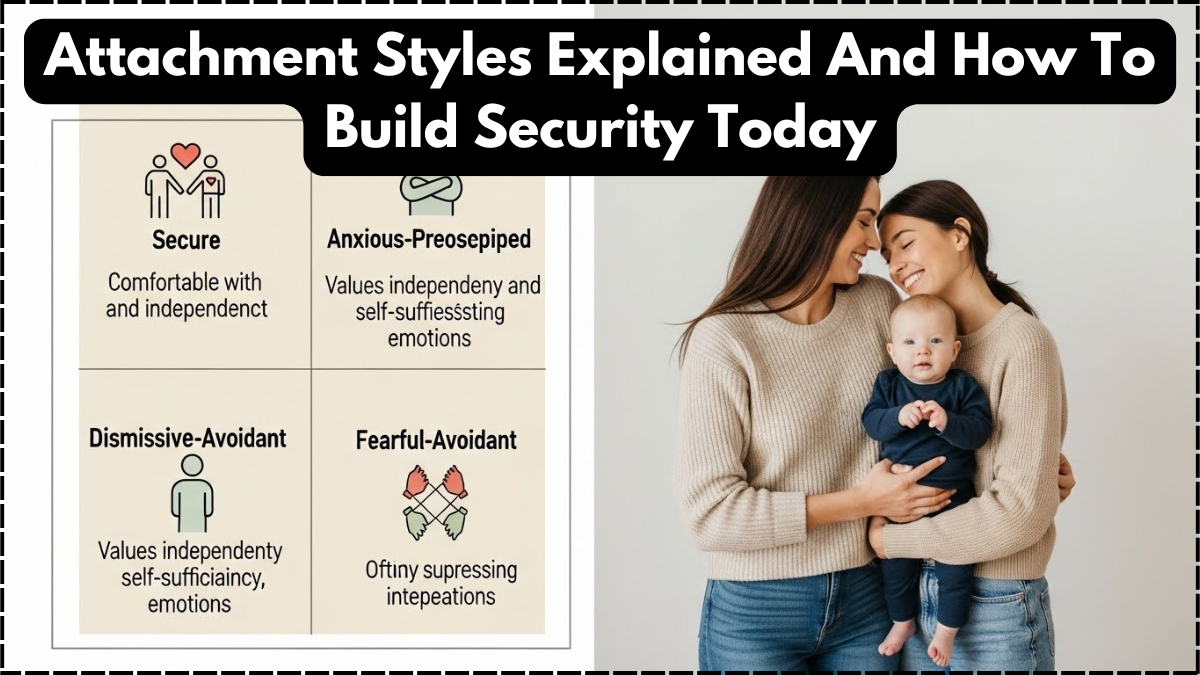
Understanding The Core Attachment Styles
There are three commonly discussed attachment styles in relationships: anxious attachment, avoidant attachment, and secure bonding. People with anxious attachment often crave closeness deeply but fear losing love. They may overthink messages, worry when a partner pulls away slightly, or need constant reassurance. This emotional need doesn’t mean weakness; it simply shows sensitivity toward emotional connection.
On the other hand, individuals with avoidant attachment value independence strongly and may feel overwhelmed by emotional closeness. They sometimes pull away, stay guarded, or avoid vulnerability because intimacy may feel risky. While this style protects emotional safety, it may also create distance. Meanwhile, secure bonding is the healthiest form of attachment, where trust, communication, and emotional availability feel natural. People with this style handle conflict calmly, express feelings openly, and maintain balance between closeness and independence.
How Attachment Styles Affect Real-Life Relationships
When attachment styles in relationships go unnoticed, misunderstandings grow. Someone with anxious attachment may misread silence as rejection, while someone with avoidant attachment may see closeness as pressure. Without awareness, both partners feel misunderstood. However, when they learn their patterns, empathy increases. They start seeing reactions not as personal attacks but as emotional responses shaped by experience.
Healthy relationships thrive when both partners move toward secure bonding. This doesn’t require perfection; it requires emotional awareness, patience, and trust-building. With the right communication tips, people learn to express needs without guilt, respect boundaries without fear, and find emotional safety together.
Table: Summary Of Attachment Styles
| Attachment Type | Common Behavior | Relationship Impact |
|---|---|---|
| anxious attachment | seeks reassurance, fears losing partner | emotional tension if not supported |
| avoidant attachment | avoids closeness, values space | emotional distance and misunderstandings |
| secure bonding | communicates openly, trusts naturally | healthy emotional stability |
| attachment styles in relationships | overall emotional patterns | shapes connection and responses |
| communication tips | tools to manage reactions | improves understanding |
Moving Toward Secure Bonding With Better Communication
The good news is that attachment styles in relationships are not permanent. People can grow emotionally and move toward secure bonding with effort and awareness. Those with anxious attachment benefit from self-soothing, building personal confidence, and learning to trust reassurance instead of constantly fearing abandonment. People with avoidant attachment can slowly practice vulnerability, share feelings honestly, and learn that closeness does not mean losing independence.
Practical communication tips make this easier. Speak clearly instead of hinting. Listen before reacting. Express feelings without blame. Respect boundaries while also nurturing emotional closeness. Over time, these steps turn emotional conflict into understanding and build deeper emotional security.
Bullet Highlights To Remember
- Understand your attachment styles in relationships
- Recognize signs of anxious attachment calmly
- Acknowledge tendencies of avoidant attachment with awareness
- Work consistently toward secure bonding
- Use thoughtful communication tips to strengthen connection
Conclusion
Real love grows when people understand themselves and each other. Learning about attachment styles in relationships gives couples the emotional language to heal misunderstandings and grow closer. Whether someone shows anxious attachment, leans toward avoidant attachment, or naturally builds secure bonding, awareness and patience make transformation possible. With supportive communication tips, relationships become safer, stronger, and more emotionally fulfilling, proving that secure love is something anyone can learn to build.
FAQs
What are attachment styles in relationships?
Attachment styles in relationships refer to emotional patterns such as anxious attachment, avoidant attachment, and secure bonding that influence how people love and connect.
What is anxious attachment?
Anxious attachment describes people who crave closeness but fear losing their partner, often seeking reassurance.
What is avoidant attachment?
Avoidant attachment involves preferring emotional distance, struggling with vulnerability, and needing personal space while still caring deeply.
Can someone develop secure bonding?
Yes, with awareness, patience, and good communication tips, anyone can grow toward secure bonding and healthier emotional connections.
Click here to learn more