Every grocery trip tells a story. The choices people make while picking fresh produce, pantry staples, snacks, or specialty items reflect far more than hunger or convenience. They reveal values, priorities, cultural influences, and personal rhythms. Today, researchers studying grocery habits increasingly recognize how these everyday choices provide insight into deeper patterns of consumer behavior. What individuals buy, how often they shop, and what they avoid form subtle but meaningful expressions of identity. Grocery shopping has shifted from a routine chore to a reflection of personal lifestyle, beliefs, and aspirations.
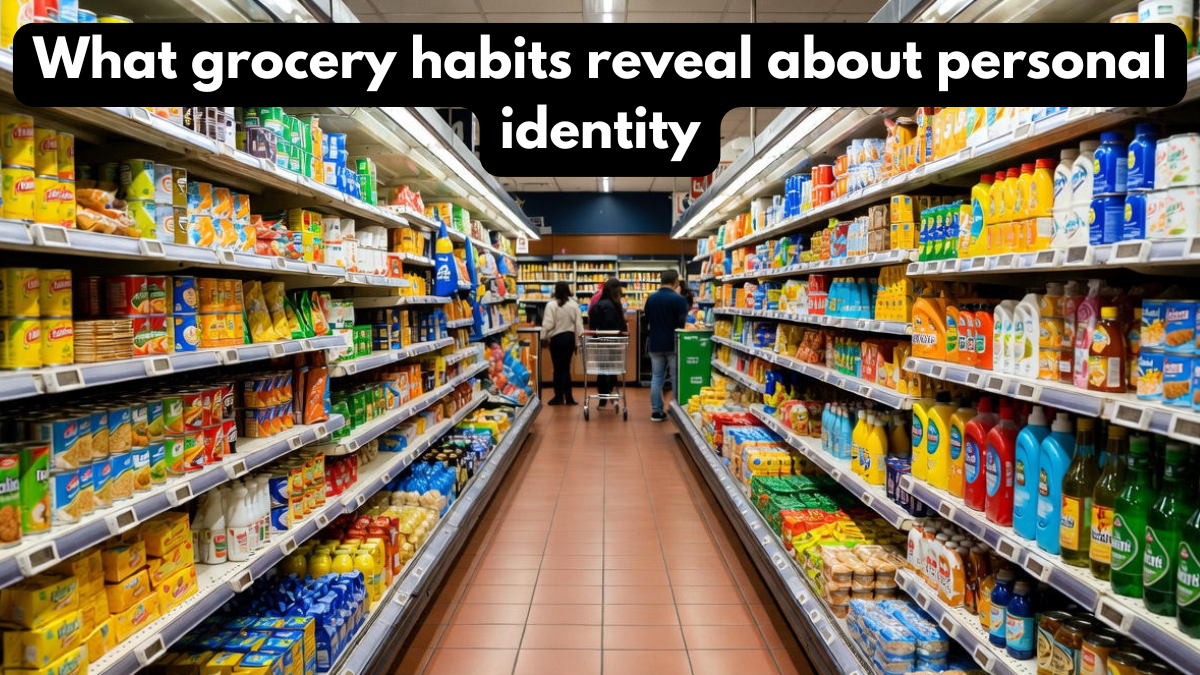
Grocery choices and the psychology of daily decisions
At first glance, grocery habits appear simple: people select what they need for meals. However, beneath those decisions lies a complex interaction of preferences, emotions, habits, and subconscious motives. Through the study of consumer behavior, experts understand that food purchasing choices are shaped by factors such as upbringing, cultural expectations, health goals, financial comfort, and personal ethics. Someone choosing organic produce may prioritize wellness or environmental impact. Another person selecting budget-friendly options may reflect practical resource management. Even impulse purchases reflect personal desires or emotional states, contributing to the identity expressed through shopping behavior.
The cultural and social meaning behind grocery routines
Cultural traditions play a significant role in shaping grocery habits. For many people, shopping for specific spices, vegetables, or ingredients connects them to their heritage. Through consumer behavior research, we see how cultural identity influences store selection, weekly meal planning, and even brand loyalty. Social environments also guide grocery behavior. Friends, family, colleagues, and social media trends all shape what people believe they “should” buy. Whether someone gravitates toward plant-based items, comfort foods, or global cuisines, their shopping basket often mirrors their cultural belonging and social influences.
Comparing grocery habits across different consumer groups
Understanding the relationship between grocery habits and consumer behavior becomes clearer when comparing how different groups approach food shopping. The table below highlights notable differences:
| Consumer Group | Grocery Habits | What It Reveals About Identity |
|---|---|---|
| Health-Focused Shoppers | Buy organic, fresh produce, supplements | Prioritize wellness, discipline, mindful living |
| Budget-Conscious Consumers | Select discounts, bulk items | Value financial responsibility and stability |
| Trend-Driven Shoppers | Purchase viral or trending products | Express social awareness and curiosity |
| Cultural Traditionalists | Buy ingredients tied to heritage | Preserve cultural identity and family traditions |
| Minimalist Consumers | Choose simple, limited items | Value simplicity, intention, and reduced waste |
These patterns show how grocery habits act as signals of personal priorities, philosophies, and lifestyle preferences.
How modern trends shape grocery behavior
Recent trends have transformed how people approach shopping. With rising awareness about health, sustainability, and ethical sourcing, consumer behavior is shifting in new directions. More people now seek plant-based options, sustainable packaging, local produce, and brands aligned with their values. Digital tools like grocery apps, meal planners, and subscription services further influence grocery habits, offering convenience while also learning user preferences. This personalization reinforces identity-based shopping, making people more likely to buy items that reflect who they believe themselves to be.
At the same time, emotional triggers remain powerful. Stress, celebration, fatigue, or nostalgia often shape what lands in the shopping basket. Emotional purchases are meaningful indicators of identity because they reveal comfort patterns, coping mechanisms, and personal rituals. Someone who consistently buys baking ingredients may not just enjoy sweets—they may value creativity, home-making, or quality time with family. In this way, seemingly simple purchases become expressions of self.
Grocery habits as a mirror of daily lifestyle
Daily routines greatly influence grocery habits. Individuals who cook regularly develop structured shopping lists, while those with hectic schedules rely on ready-made meals or delivery services. Through consumer behavior studies, we see that people’s shopping routines mirror their daily lives. A person with a fitness-oriented lifestyle may prioritize protein-rich items, while someone passionate about culinary experimentation may shop for global spices or specialty ingredients. Even shopping frequency reflects personality: frequent small trips suggest spontaneity, while once-a-week bulk shopping reflects planning and organization.
These habits also reveal economic and ethical choices. Whether someone buys locally, supports small businesses, or prioritizes low-waste products, their shopping behavior communicates personal values. Over time, grocery decisions become rhythmic expressions of who someone is and what they care about.
Conclusion
Grocery habits are far more than simple routines—they are reflections of identity, shaped by culture, values, emotions, and lifestyle. As researchers continue analyzing consumer behavior, they uncover how deeply personal and expressive grocery shopping can be. Every choice, from brand preferences to ingredient selections, becomes part of an individual story. Understanding these patterns not only helps consumers make more intentional decisions but also highlights the power of everyday habits in shaping self-expression and personal identity.
FAQs
How do grocery habits reflect personal identity?
Grocery habits show preferences, cultural background, values, and lifestyle routines, all of which shape personal identity.
What influences consumer behavior in grocery shopping?
Consumer behavior is influenced by culture, emotions, health goals, budget, social trends, and personal values.
Why do people buy the same brands repeatedly?
Brand loyalty forms when consumers connect emotionally or practically with a product, even when many alternatives exist.
Can grocery habits change over time?
Yes, grocery habits evolve as lifestyle, financial conditions, and personal priorities change, reflecting shifts in individual identity.
How do trends impact grocery habits?
Trends shape consumer behavior by introducing new products and influencing what shoppers perceive as desirable or healthy.
Click here to learn more